
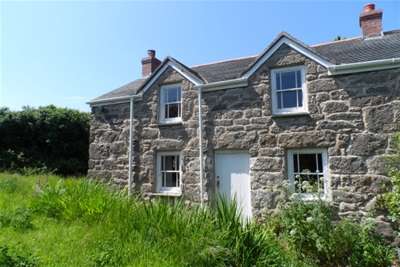
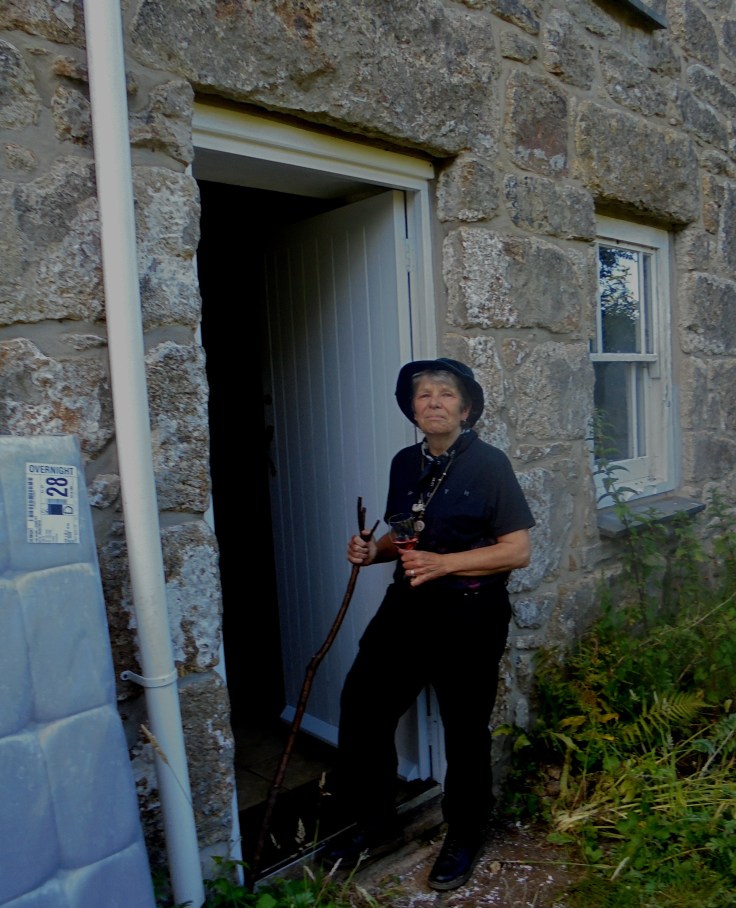
 The 26th of January 2019 marks ten years since I apprehensively walked the small gravel pathway leading to Cassandra Latham Jones’ cottage. I had an appointment for an interview with her about an apprenticeship as Teazer of the Penzance ‘Obby ‘Oss. I did not realize at this time Cassandra was also seeking someone to continue her community work as Wisewoman. This subject arose during our conversation and I volunteered to try both apprenticeships as I had been searching for the Old Craft throughout my spiritual journey.
The past ten years have indeed been challenging in many ways and Cassandra warned me of this. During the first part of my journey I participated in various spiritual practices and soon discovered they did not satisfy me. This resulted in my departure from previous magical groups (with the exception of Egyptian that I enjoyed immensely) that did not provide the ancient connection I searched for.
 Image John Isaac
It is essential to be robust emotionally for this work and there was no better person to teach me this than Cassandra. She warned me she would be a hard ‘taskmaster’ and this proved to be so.
I was born and raised within a strict religion (which has many traits of a ‘cult organization’) that separated me from my local community. Therefore I had little knowledge of how communities developed and worked together. When I left this religion however (shortly after leaving school) and moved to other locations, I continued to have minimal interaction within new communities.
It is essential for a Wisewoman to know her community well so they are more approachable. The residents of our local village were welcoming and I have learnt a great deal since moving here in 2010. Communities are a ‘tribe’ or large ‘family’ who will often have disagreements, but their deep connection and maturity will enable them to resolve any disputes.
 Image John Isaac – Graphics Chris White
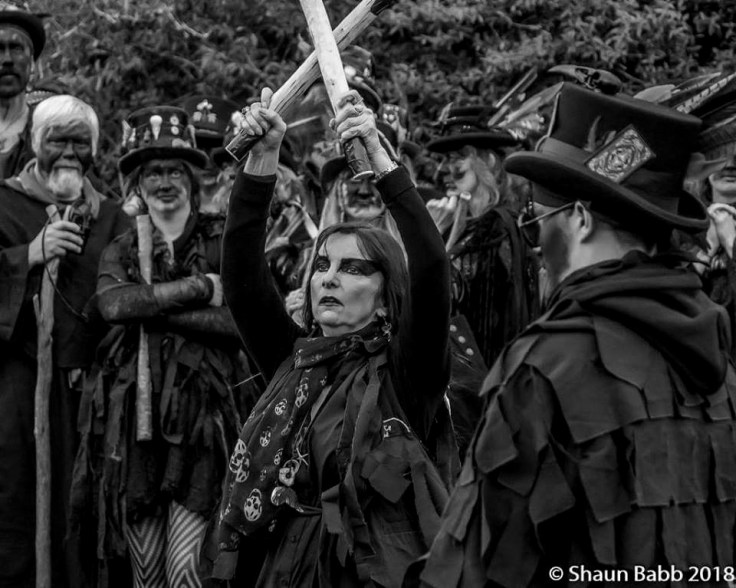
Another form of our community work is participating in festivals and performances. Cassandra is pleased with my ideas and inspiration. One idea in particular was the birth of the Dark Gathering. This came about after an arranged meeting with our wonderful Mari Lwyd community in Chepstow at the beginning of 2014.
The role of apprentice to someone as renowned and respected within the Pagan community is something many fantasize and dream of. There are those who covet this role, so on reflection, it was no surprise that jealousy, competitiveness and feelings of entitlement from others began to surface. It seemed our acquaintances were happy about the situation at first, assuming that Cassandra and I were so different externally, our working relationship would be short-lived. However, as years passed and it was successful, the underlying negativity of others became apparent. It came from some who hoped to claim lineage to the Old Craft by befriending Cassandra.
Some stated I was an ‘incomer’ and too new to the community to be chosen for positions of Teazer and Wisewoman. Others thought they had more of an advantage as a Pagan of Cornish descent. (I have never attempted to claim ‘Cornish descent’, I am proud of my birthplace in a historical part of Kent and do not create a false image to replace it as others have done.) Whatever their reasons for objecting, they showed no faith in Cassandra’s judgement and projected their negative opinions with intention of creating additional obstacles to my training. The positive side of this is that I have also found a few genuine and supportive friends and my focus is on them.
The quote by Rudyard Kipling comes to mind:
“If you can keep your head when all about you are losing theirs and blaming it on you, If you can trust yourself when all men doubt you, but make allowance for their doubting too!”
Cassandra has taught me many valuable lessons as well as providing a home for me when unfortunate circumstances could have left me ‘homeless’. In return for her kindness and tuition, I was able to assist her by creating our Guise team when her role as Teazer in Penzance came to an end. I designed new costumes and a new image for our ‘Oss. I choreographed dances and also created new websites for Village Wise Woman (when former acquaintances took her previous site offline) and another website for our Guise team (when a former member removed our site from the internet). I created my own website, a blog for Cassandra Grumpy Old Witchcraft, and media accounts for Cassandra’s Book Village Witch. I now update and maintain our performance and business-promoting accounts on Facebook, Blu Sky and Instagram. I arranged Wisewoman workshops that were available from 2014 – 2023 and these were successful.
In the past Cassandra would rely on others to help her with work on her cottage and I have been able to assist her with many tasks. This gave us a wonderful feeling of accomplishment as we had not needed outside help but managed to complete these tasks between us. I have assisted her health-wise with a gentle fitness regime and suggestions on supplements and diet. I taught her Morris dancing that she successfully performed for seven years and enjoyed it, but now the time has come for her to live her life at a slower pace (however that is easier said that done!)
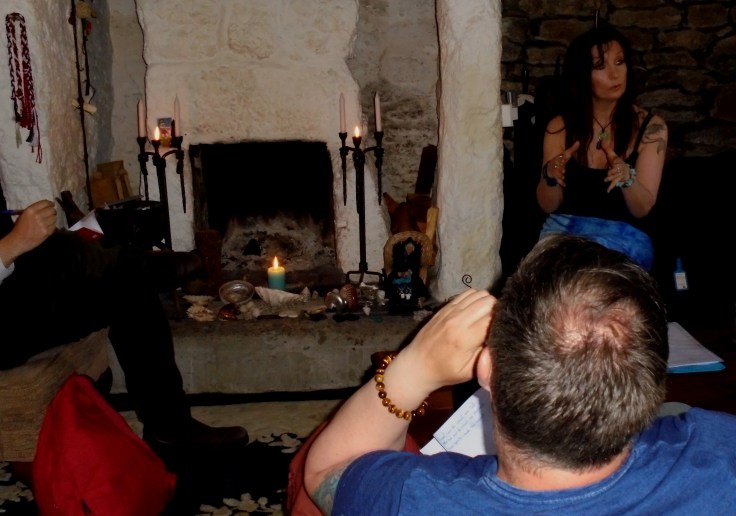
At first when dealing with clients, I often asked Cassandra’s advice on methods of communication. After ten years of dealing with a vast variety of people, I am confident to deal with these alone. My spells and charms have a high success rate and I have helped many within the community which brings deep satisfaction. The work is varied and unpredictable and each day brings a different challenge.
Being a Wisewoman is not an occupation one can ‘retire’ from as Cassandra has discovered. She still sees clients providing readings and consultations, however the business is my responsibility. It is difficult to make a business immediately successful, it takes a huge amount of work, promotion and advertising for a number of years before one can profit from it. Fortunately I enjoy the promotion and advertising which has produced wonderful results.
 Image John Isaac
Using the power of the mind was another important lesson for me to learn as this skill is essential in our work and our lives. The land and sea are abundant in power and harnessing its energies for one’s needs and desires is not easy. Creativity, curiosity and persistence can reap rewards from the Universe using the correct acquired knowledge. Awareness and desire is also essential along with willpower, knowledge and wisdom. To connect with the four powers: to Know, to Will, to Dare and to keep Silent requires absolute focus.
Working within the Cunning Way and Folk Craft over the last fifteen years has certainly been an adventure.

I first read a book about George Pickingill – ‘The Pickingill Papers ‘ in 2002 during my Alexandrian training, I felt an immediate connection with the fascinating life of a ‘Cunning Man’ and eight years later the reason for this became apparent.
I enjoy ceremonial ritual and it has its uses, however the methods of Cunning/Folk Craft (for myself) give a stronger direct connection to the spiritual essence of land and sea, as the absence of ritualistic structure lessens distraction giving one’s focus more intensity.
The following article explains the Cunning Craft and Folk Practitioners:
Cunning folk – Traditionally the cunning man or cunning woman was a person who healed, worked magic, created herbal remedies, provided charms, anti-witch measures, spells, and fortune-telling services, they were paid a fee for their work. Cunning (knowledgeable) or (wise), originated from an Old English term kenning, this referred to professional or semi-professional practitioners of magic. Some acquired their gifts through heredity, their magic was a mixed bag of folk medicine and occultism. Folk magic was passed along in oral tradition, and embellished along the way, they employed practical remedies for specific problems. It was believed they could work with supernatural powers in order to increase the effectiveness of their work. In most (Cassandra would say and has taught that it would be ‘some’ rather than ‘most) instances someone could set themselves up as cunning folk, with no particular background or training, although some did come from a background of magical practitioners.
Up until the mid-nineteenth century there were several thousand cunning folk working in England, and although there was a higher ratio of men, the women were successful in their role. Many of the cunning folk working in Britain kept their ordinary line of work, while earning money as a professional cunning man or woman to boost their income. Most cunning men and woman were solitary practitioners and employed a variety of magical implements.
Some kept animal familiars and supernatural entities, known as familiar spirits, they were considered to be benevolent and helpful. It was believed the familiar spirit took the cunning person on a visionary journey to a place called Elfhame, (elf- home). In this trip the cunning folk’s soul would go with the familiar on a journey into a hill, to a great subterranean fairy hall, while there they would encounter fairies led by the king and queen, and take part in a feast. (Cassandra has taught that nowadays this could be translated into communing with the ‘spirit world’ within the local environment)
As most local clients were poor, fees for magical services were small. Their fees were much higher when a member of the aristocracy sought them out, and this was often to do with matters associated with love, money and bewitchment. The cunning men and cunning women who worked for the aristocracy, were much better off financially than those who only treated villagers. Some cunning folk received annuities, and others took a percentage of all stolen goods found through divination. (Cassandra has taught that yes, there would be a percentage of goods, but she would not say they were ‘stolen’.)
They were particularly popular for their charms, which they recited during their spell casting and divination work. They also created specific and very expensive charms for the aristocrats, writing down magical words in order to conjure, love, money, fertility and prosperity. The charms were sometimes written on parchment or paper, sewn into a bag, and either placed in the clients home, or carried about by them. By employing a variety of divination tools the cunning person was able to tell a person’s fortune and divine the name of their future love. They were often consulted to cast spells or charms to ensure a spouse’s fidelity and to find lost items. Some cunning folk claimed to have the ability to locate lost treasure, the cunning man or woman was called upon to overcome through magical means, the demon, spirit or fairy that was guarding it.
The cunning folk were especially adept in creating charms that would repel or break the spells of other witches blamed for bewitchment. They were the only healers to offer a package of anti-witch measures and were especially effective curing malevolent sorcery. They were also called upon to protect, heal and locate lost animals, and to care for crops. The cunning folk used a wide variety of methods to heal their clients, using various herbs, plants, the laying on of hands, and conducting elaborate ceremonies. They practiced folk magic, known as low magic, and ceremonial magic known as high magic, their role was to attend to the physical and spiritual needs of their client.
Cunning folk flourished up until the late 17th century, this was a time when belief in magic was high, they took the role of unofficial police and were believed to be a deterrent to crime, and when crimes were committed a cunning man or cunning woman was consulted to divine the guilty party. From the 18th century onwards their place in society continued, and carried on into modern times, especially in rural areas. Many cunning folk operated in a very competitive market, and would often travel great distances to visit their clients, their profile was very important to them. They used crystal balls and scrying bowls in their work, also astrology and numerology. A Grimoire was a most coveted item and those who owned one added to their profile. (Cassandra has discovered that there is no documentation of any Grimoire sent to a Cunning/Folk Practitioner within Cornwall). Although they were predominantly solitary practitioners, there were some families who approached it as a magical business.
British Cunning folk were referred to as wizards, wise men, wise women, conjurers, pellars,( see the historian Jason Semmens’ paper – On The Origin of Pellar) charmers and white witch, and in the Late Medieval and Early Modern periods Britain was a place where folk magic was very popular. In France, the terms devins-guerisseurs and leveurs de sorts were used to describe cunning folk. In the Netherlands they were referred to as toverdokters or duivelbanners, in Germany Hexenmeisters, and in Denmark kloge folk. In Spain they were curanderos and in Portugal they were known as saludadores. Cunning folk and their use of white magic for healing and as a protection against black magic, was widespread in Germany. The primary role of the Italian cunning folk was healing,with the use of herbs and spiritual healing, their spiritual healing was believed to come from an inner power, known as la forza (power), la virtu (virtue) or il Segno (the sign), they were also consulted to remove curses.
Because of the usefulness of cunning folk, they were able to practice their magic as an open secret, and quietly conducted their business in such a way they avoided anti-magic and anti-witchcraft laws. They met with little interference from authorities, who chose to ignore them unless there was a specific complaint. The cunning folk were often denounced during religious gatherings, but because of their popularity and usefulness, were never pursued. During the time of the Inquisition, cunning folk became vulnerable targets, but in spite of this there was a huge amount of public support for them, because they were so important to those who required their services.
The disparity between witches and the cunning folk, was that witches were seen to do harm, and cunning folk were seen to be useful and provide a valid service. Cunning folk were active from the Medieval period through to the early twentieth century, when it is believed the declining belief in malevolent witchcraft, did away with the need for anti-witchcraft measures, which was a primary service offered by the cunning folk.
Witches Lore
Witchcraft Before Wicca
I began a ‘countdown’ to the new year from the 1st December to 1st January on our Dark Gathering Facebook group (which has recently been archived). Each day I would post a photograph of a performer with a little information about them and expressed our appreciation for their contribution to the event. On the 2nd January, I was pleasantly surprised to discover Cassandra had written the following post :
“Before we get any further into the year I want to put a shout out about Laetitia Latham Jones. In case there is anyone who doesn’t realise this, she was the one who had the original idea of the Welsh Mari Lwyds meeting the Cornish Oss, Penkevyll at the Museum of Witchcraft and Magic. We now have this amazing annual Dark Gathering following that initial inspired idea. Laetitia has not only supported me in my role as Event Organiser over the years but has continued to create brilliant ideas which we have incorporated. We have her to thank for researching and discovering the wonderful Ancestor Chant, and now just recently she has applied her time and energies into the personal bios/reviews of a few recognizable characters from the Dark Gathering. Also let us not forget her wonderful performances as Penkevyll’s Teazer – the Art of which she is now teaching to her two apprentices. I would like to publicly thank her for her dedication and hard work behind the scenes to help maintain the Dark Gathering. May it go from strength to strength! ”
 Image John Isaac
The last ten years have been like a ‘roller-coaster’ with extreme challenges and drastic life changes, however I had the tenacity to continue. This has rewarded me with wonderful experiences in my work and performance life and I have met some fabulous individuals.
I am intrigued to see what the next ten years will bring ….

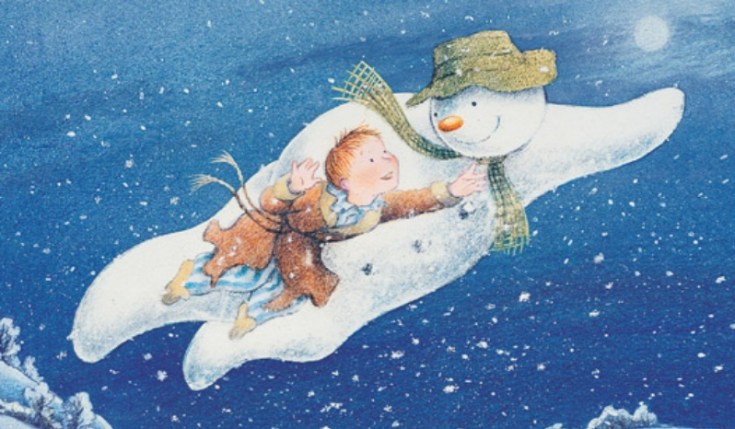 In modern movies snowmen are portrayed as something magical, loved by children and they also capture the imagination.
 I remember feeling these magical energies when Cassandra Latham Jones and I built a large snowman during the heavy snowfall of January 2010 in the grounds of the mill house in Crean, St Buryan.


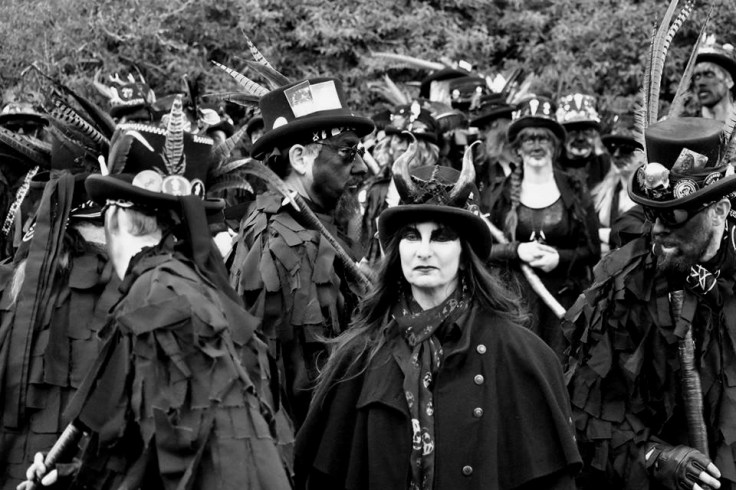 Image-Chris Hicks
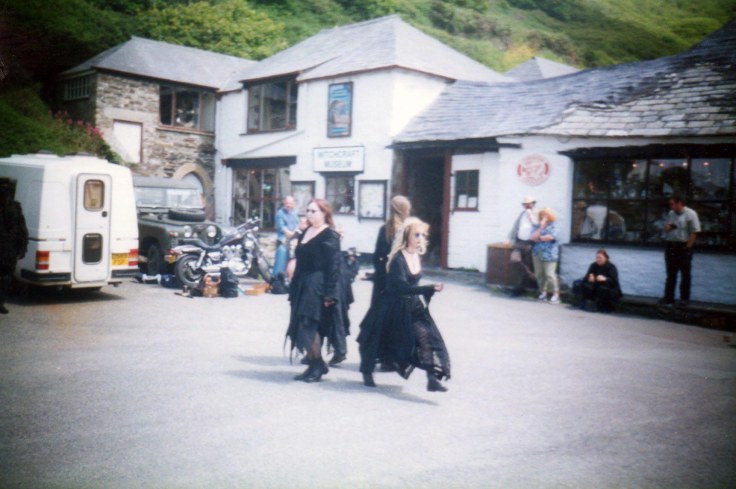
 I had no time to practice, so they performed the dance first and invited me to join them for a repeat performance. As soon it began, the fifteen years I had been apart from them seemed to disappear. I danced every move as precisely as I had all those years ago because I had received good training from the Vixen Foreman at that time.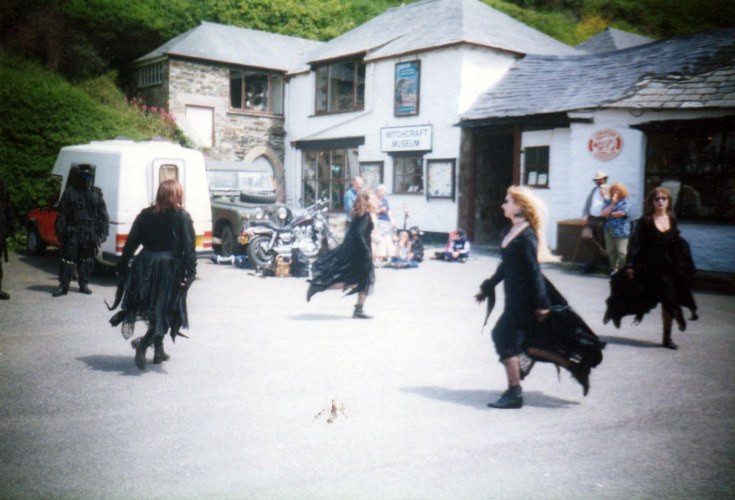


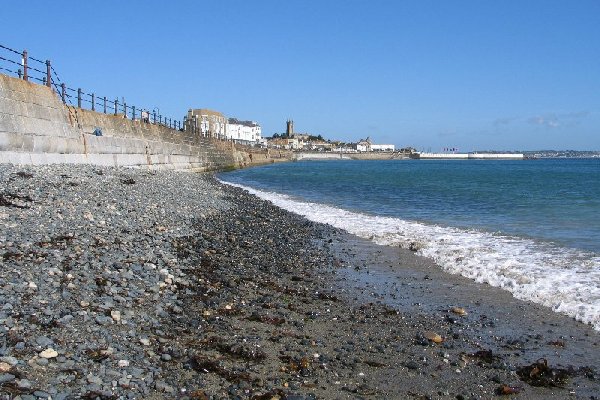 I heard that many sea urchins also known as ‘sea potatoes’ had washed ashore on Wherrytown beach in Penzance last week. Today I harvested 10 of them.




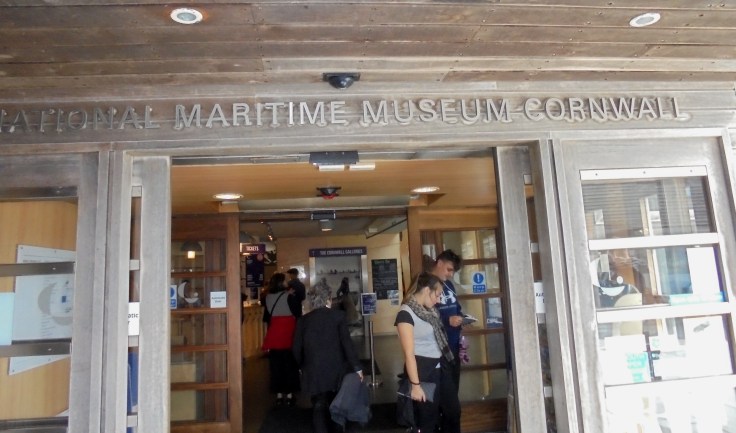
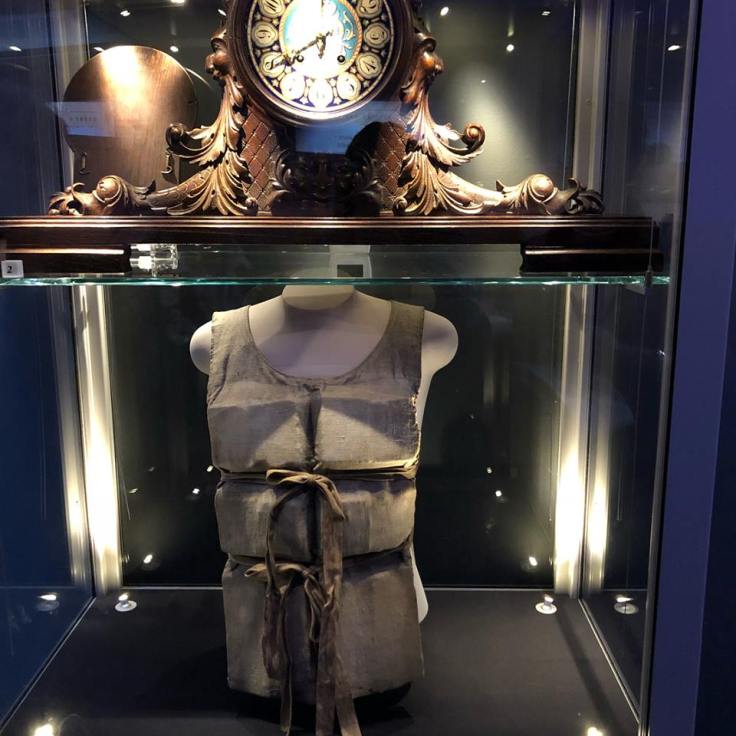
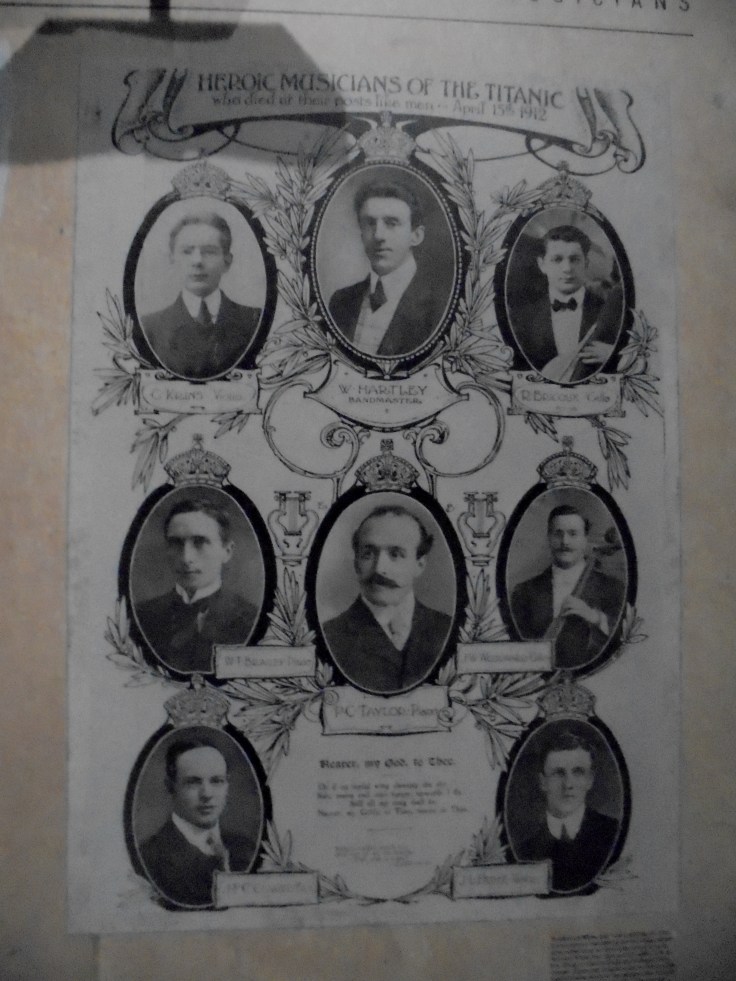
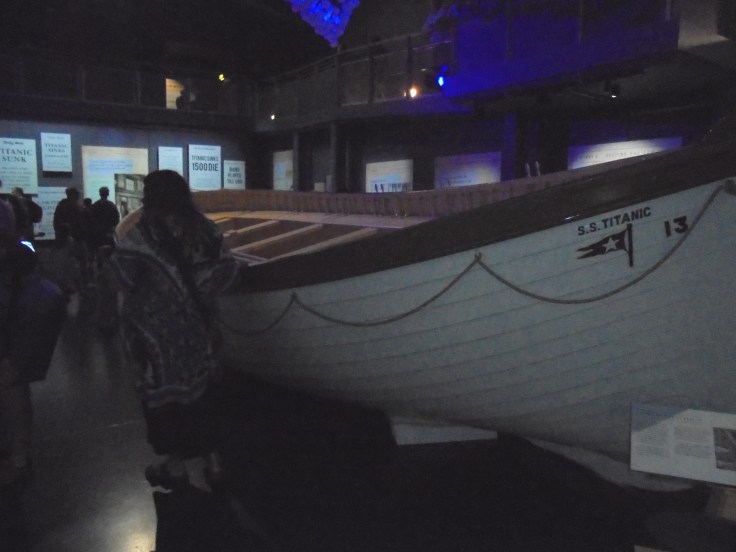
 I have always felt a strong connection to the history of the Titanic and was unaware of its significant connection with Cornwall. When I visited the Titanic Exhibition at the Falmouth National Maritime Museum on 29th July this year I discovered more information.
 .Mrs William Rowe Hocking was born as Eliza in Tresco in the Scilly Isles off Cornwall, England on 12 April 1858. She first appears on the 1861 census living at Bay on Tresco but the family later settled on the British mainland and appear on the 1871 census at an unspecified address in Penzance, Cornwall. She was married in Penzance in 1880 to William Rowe Hocking (b. 1854), a confectioner’s foreman, and the freshly married couple appear on the 1881 census living at 27 Leskinnick Terrace, Madron, Penzance. Her daughters and two grandsons were rescued in lifeboat 4. Her son George was lost.
 Ada Mary West was born 1879, Truro, Cornwall. Ada and her family appear on the 1881 census living at Prospect Place in Truro. Ada West died in St Vincent’s Nursing Home in Plympton, Devon on 20 April 1953 aged 74. One keepsake that remained in her possession for the remainder of her life was the flask that her husband had passed to her the last time she ever saw him.
 Mrs William John Wilkes was born as Ellen Needs in Tresco in the Scilly Isles off Cornwall, England on 13 June 1864. She first appears on the 1871 census living with her family at an unspecified address in Penzance, Cornwall. Also travelling with her, albeit in second class, were her sister Eliza Hocking and her son George and two daughters Ellen and Emily with the latter’s two sons. Ellen was rescued on lifeboat 16. Her sister, nieces and great-nephews were rescued in lifeboat 4.
 Master Sibley George Richards was born in Newlyn, Cornwall, England on 17 June 1911. He was the second son of James Sibley Richards (1887-1939), a general labourer, and Emily Hocking (1887-1972). His parents were both Cornish and had married in 1908. By 1912 he had one sibling, his elder brother William Rowe (b. 1909). On the night of the sinking Sibley and his brother were asleep in their cabin with their mother when their grandmother came to alert them of the danger. The family escaped in lifeboat 4 but his uncle was among the lost. Arriving in New York, he was met by his father who had travelled from Akron.
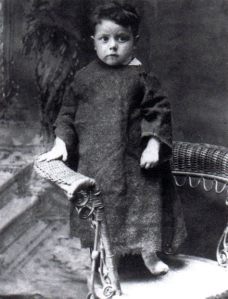 Master William Rowe Richards was born at 6 St Mary’ s Street, Penzance, Cornwall, England on 1 April 1909. He was the eldest son of James Sibley Richards (1887-1939), a general labourer, and Emily Hocking (1887-1972). His parents were both Cornish and had married in 1908. He was named after his maternal grandfather. On the night of the sinking William and his brother were asleep in their cabin with their mother when their grandmother came to alert them of the danger. The family escaped in lifeboat 4 but his uncle was among the lost.
 Mrs Sidney Richards (Emily Hocking) was born in Penzance, Cornwall, England on 22 April 1887. She first appears on the 1891 census living at 39 Adelaide Street, Penzance. Her father is believed to have settled in South where he died and her mother remarried, becoming Mrs William Guy. The family appear on the 1901 census at 34 Mount Street, Penzance. Emily was married in 1908 to James Sibley Richards (b. 9 October 1887), a general labourer from Newlyn, Cornwall. The couple appeared on the 1911 census living at 6 St Mary’s Place, Penzance, a boarding house ran by her mother. The couple would have two sons whilst in England: William Rowe (b. 1909) and Sibley George (b. 1911) and later lived at ‘The Meadow’, Newlyn. Their boat was only a short distance away from the Titanic went it went down. The people in the boat pulled seven men out of the water. The Richards and Hockings hoped that George Hocking had been rescued by another ship, but he was lost. After leaving the Carpathia, the Richards stayed at Blake’s Star Hotel at 57 Clarkson’s Street in New York City and she was reunited with her husband Sibley Richards who had travelled from Akron.
 Frank Thomas Andrew 1 was born as Thomas Francis Gribble in Perranarworthal, Falmouth, Cornwall, England in the closing months of 1885. Frank grew up on his father’s 25 acre farm, Gilly Tresamble, in Perranarworthal and appears there on both the 1891 and 1901 census records. Frank was married on 4 July 1908 at the register office in Helston, Cornwall. His bride was Rhoda Tripp (b. 11 December 1887). Rhoda hailed from Redruth, Cornwall and was the daughter of Henry Tripp, a farmer, and his wife Emily. Frank and Rhoda settled in Illogan, Cornwall and lived at Forest Gate, Four Lanes in that village, appearing there on the 1911 census. At that time they had one daughter, Lucy (b. 30 November 1908). Frank worked as a tin miner. Frank Andrew died in the sinking and his body, if recovered, was never identified.
 Robert Hichens 1 was born in St Peter’s Square, Newlyn, Cornwall on 16 September 1882. He was the son of a fisherman, Philip Hichens and Rebecca Hichens (née Wood) who was originally of Whitby, North Yorkshire. By 1906 he was shown on his marriage certificate to be a “master mariner”. He had married Florence Mortimore at the parish church of Manaton, Devon on 23 October in that year. On the night of 14 April 1912 Robert Hichens was at the ship’s wheel (having relieved Q.M. Oliver at 10 p.m.) when the warning came from the lookout that an iceberg had been spotted ahead of the ship. When the order came to hard a’starboard he immediately swung the wheel as far as it would go. At about 12.23 he was relieved by QM Perkis at around which time one of the officers shouted ‘That will do with the wheel, get the boats out.’ Later, Second Officer Lightoller told Lookout Fred Fleet to get into Lifeboat 6 on the port side and put Robert Hichens in charge of that boat. The lifeboat (capacity 65) left the ship at about 12.55 with only 28 persons on board with the order that they were to make for the lights that could be seen in the distance.
 Mr Richard George Hocking, 22, was born 26 July, 1889 at 39 Adelaide Street, Penzance Cornwall, the youngest son of Mr William Hocking (Confectioner and Baker) and Mrs Eliza Hocking (née Neads). After the death of his father in South Africa the family moved to 6 St Mary’s Street, Penzance.
 Miss Ellen “Nellie” Hocking was born in Penzance, Cornwall, England on 5 November 1891. She was the daughter of William Rowe Hocking (b. 1854), a baker and confectioner, and Eliza Needs (b. 1858). Her father hailed from Cornwall whilst her mother was born in Tresco on the Isles of Scilly and they were married in 1880. When Nellie appears on the 1901 census she is 34 Mount Street, Penzance. Her mother was on her second marriage by this time–the ultimate whereabouts of her father being unknown–to a Mr William Guy. Mr Guy died in 1907 and the family later show up on the 1911 census living at 6 St Mary’s Place, Penzance where her mother ran a boarding house. She remarked at one time to Nora Keane that as night had fallen the previous night she had heard a cock crowing (a sign in Cornish folklore of impending disaster). Nellie was told that she had imagined it but she was adamant. Nellie, her mother, sister and nephews were rescued in lifeboat 4. Her brother George was lost.
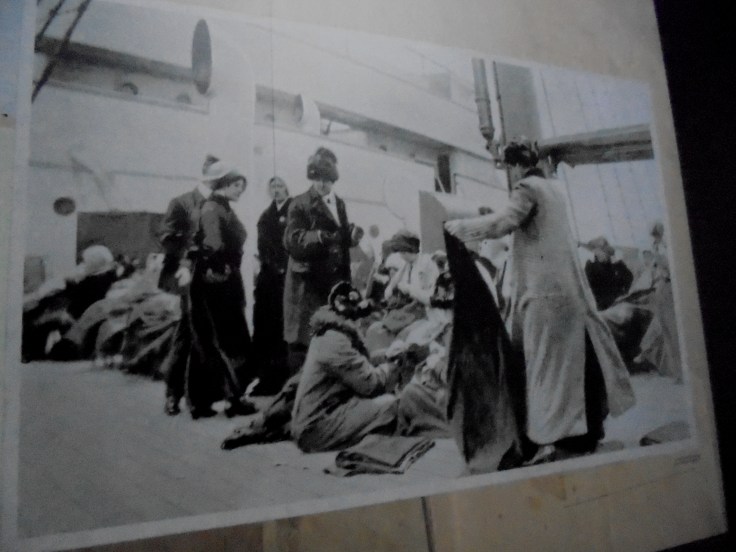 Mr Joseph Charles Fillbrook was born in Truro, Cornwall, England in early 1894. He was the son of William Fillbrook (b. 1868), a mason, and Catherine Vincent (b. 1866). His father was native to Truro whilst his mother was Canadian-born. Joseph first appears on the 1901 census living at the home of his maternal grandparents Edward and Mary Jane Fillbrook at 10 Victoria Square, Kenwyn, Cornwall and again on the 1911 census with his now widowed grandmother at Williams Row, Calenick Street, Kenwyn; he was described as a house painter by the time of the latter record and had been apprenticed as such since leaving school. His parents and siblings are listed on the 1901 census living at 8 Lemon Row and on the 1911 census at 16 Charles Street, Truro. Joseph Charles Fillbrook was lost in the sinking and his body, if recovered, was never identified.
 Mr Joseph Charles Nicholls was born in Nancledra, Cornwall, England on 24 July 1892. He was the son of Richard Henry Nicholls (b. 1867) and Agnes Friggens (b. 1861), both Cornwall natives who had married in 1886 and he had two known siblings: Mary Ethel (b. 1886), Richard Henry (b. 1890). His father was a stonemason who worked at the quarry at Trenowith Downs.



















 laetitialathamjones.co.uk