Blog

Are Friends who Associate with your Enemy Trustworthy

In my experience this scenario is fraught with difficulties……..

It’s a familiar story. A group of three or more friends, having the best of times. Then two of those three friends begin a feud and the third, innocent party is stuck to choose. We’ve all been there and I know from personal experience it’s hard to tell whether or not you can trust a friend who is friends with your enemy. It’s also hard to be friends with two people who hate each other.

For the innocent party who just wants to be friends with everyone, it’s really hard. I personally don’t know if it’s possible because I’ve never seen it work out. You’re going to like one friend more than the other, or you’re going to accidentally betray one or the other friend and they’re going to turn on you.
I understand wanting to keep your friends, but unless you can be perfect and schedule the same amount of friend dates for the same amount of time, while also not becoming the middle person for their petty vendettas, it just isn’t going to work and someone is going to end up losing.

Read more here: The Odessy Online

Understanding Scapegoating.

Here is another subject clients in this position consult us about. Cassandra and I have been scapegoated in the past ourselves, which enables us to help them.

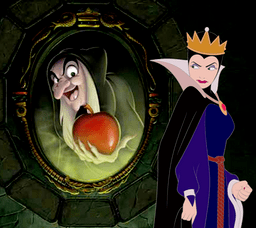
The ego defence of displacement plays a role in scapegoating, in which uncomfortable feelings such as anger, frustration, envy and guilt are displaced and projected onto another. It is often the more vulnerable, person or group. The scapegoated target is persecuted, providing the person who inflicts the scapegoating not only with a conduit for their uncomfortable feelings, but also with pleasurable feelings of piety and self-righteous indignation. The creation of a villain necessarily implies that of a hero, even if both are purely fictional.

Some would say that Satan the Devil was used as a Scapegoat for sins and interestingly they also depict his image as half man half goat.

Read more here: Psychology Today.

.

Devon and Cornwall PF Conference 20th Anniversary

After a seven year absence from the Devon and Cornwall Pagan Conference, Cassandra and I attended the event this year.

Twenty years is a commendable achievement and as Cassandra was an organizer for the first twelve years, we thought it an auspicious occasion to celebrate with the rest of the team.

It was delightful to receive such a warm enthusiastic welcome from the majority of attendees on our arrival Friday evening. It was obvious many had missed Cassandra’s vibrant entertaining personality.

We had another surprise meeting John and Kitty who travelled from Scotland to attend the Conference. It had been six years since we last met.

Levannah was also delighted to see Cassandra and they spent part of the evening updating one another and sharing a little nostalgia about early Conferences.

On Saturday morning during the Opening Ritual, Levannah made a surprising announcement that the event would no longer have a connection with the Pagan Federation and would continue independently.

The following text is taken from literature handed out at the Conference:
Welcome to Pagan Phoenix Southwest

Pagan Phoenix SW·Wednesday, 7 March 2018

We have organised the conference event for the last twenty years in this region for Pagans with the Devon and Cornwall Pagan Federation. In 2019 there will be some changes to the way the conference is organised. The conference team has decided that it is time to make the conference independent of the Pagan Federation. This will enable it to grow and develop, and continue to be an annual event in Cornwall at Penstowe, for all Pagans and magical folk of all paths, at which we can gather together to celebrate, learn and enjoy.
Pagan Phoenix SW is an independent, locally run non-profit company which has been set up by your organising team to run the conference. This is all it will do; other activities undertaken by the PF will continue to be their responsibility. We will bring you the very best Pagan and magical speakers, artists and musicians.
You should not notice many changes; only good ones. The conference will be run on a not-for-profit basis and the team who organise it will be volunteers and will not be paid. Pagan Phoenix SW will retain enough funds to run the conference. There is currently a charity raffle at the conference but in addition to this, in future, any surplus funds will be donated to charity and if you attend the conference you will be invited to vote as to which charities we should support.
There will be a concessionary ticket rate and we will continue to offer two for one tickets for people with disabilities who require a carer in order to attend. Conference attendees are very welcome to make suggestions for speakers, and performers. We will welcome stall-holders and local crafts persons just as we do now. Accommodation will continue to be organised through our good friends at Penstowe. You are welcome to contact us via the facebook page.
We have already started work on the 2019 conference. The programme will be publicised and tickets will go on sale, as usual, at Samhain.
We would like to extend a very warm welcome to you to the next conference which will be held here at Penstowe on Saturday 9th March 2019. Please put the date in your diary now; we are looking forward to seeing you again next year.
Blessings to one and all from Pagan Phoenix SW!

It surprised us to hear of this change along with other developments, but we understood their reasons for this decision. All who attended seemed supportive as they had enjoyed this event throughout the last twenty years and were happy about its continuity.

Levannah spoke of the early years and it was good to hear Cassandra included in these memories. All of the organizers were asked to stand and the audience applauded them for their hard work.

During the day, there were talks by Julian Vayne, Marian Green, Ronald Hutton, Susanne Rance and Penny Billington (in place of Rae Beth due to ill-health). They are unique and fascinating speakers who are charismatic and confident with their chosen subjects. They have excellent rapport with the audience and this is wonderful to observe.
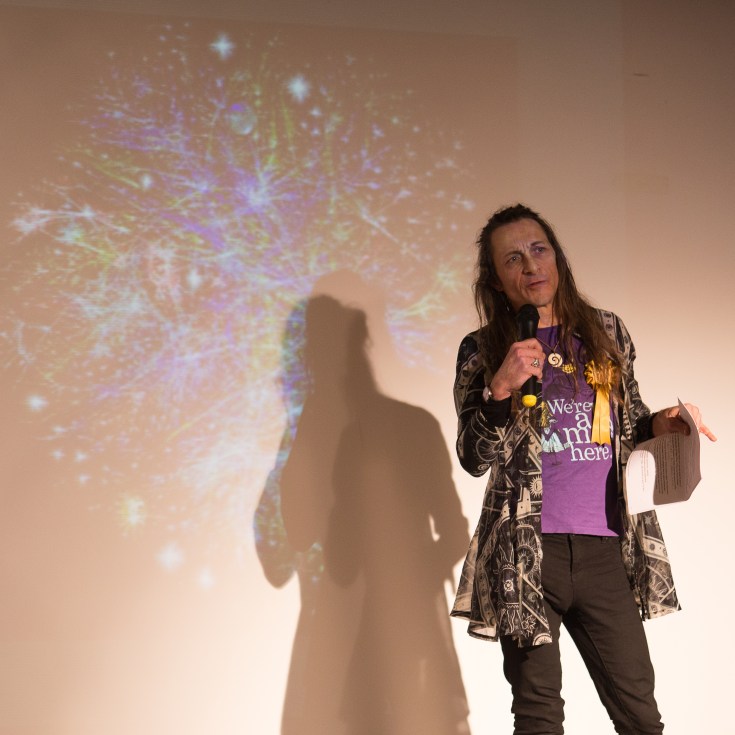
Julian Vayne never fails to entertain and has a remarkable talent of drawing the audience into his ‘world of the wyrd’ with his fascinating view on the Craft .

Marian Green is a ‘mine of information’ and her delivery is relaxed due to numerous years of experience and a deep connection with her chosen subject. The same can be said of Penny Billington.

Ronald Hutton’s story of his early days within the Craft held one’s attention, especially relating how the Craft was not taken seriously in the past. He attained his position as a Professor before he spoke about these matters hoping his position as an academic would alter perceptions. He injects humour into his stories that helps when discussing deep, serious content.

During the lunch break Cassandra and I were approached by others wanting an update on our lives and work. We were never alone that day as there were many to converse with at this well attended event.
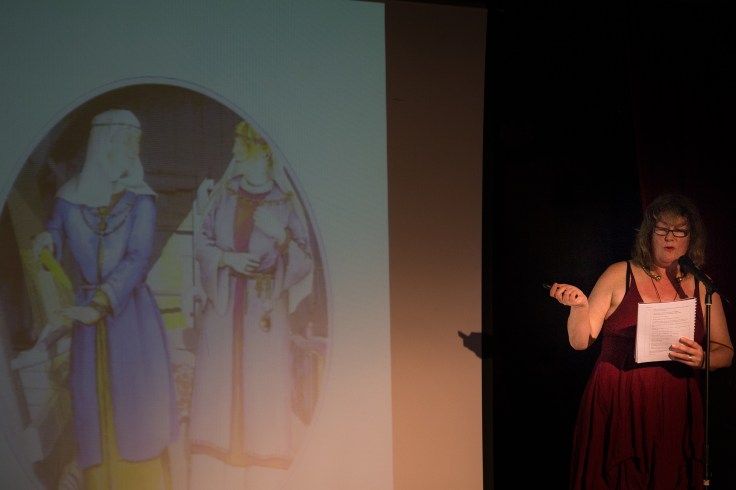
Susanne Rance discussed the meaning of Runes and their connections with certain areas of the body. There are powerful sounds that resonate with various runes when they are sung or chanted. The audience participated by singing each note and the vibrations were distinctly felt around the venue.

Levannah also gave tribute to our dear friend Lorraine Hall who sadly passed away the previous year. She worked as an organizer with Cassandra during the early years of Conferences and I will always remember the wonderful welcome I received from her on arrival at the 2006 Devon and Cornwall Conference.  My former husband and I had purchased our new home in Cornwall and she greeted me with: “Welcome to Cornwall”! She then took me to meet Cassandra.

The speakers along with Damh the Bard formed a panel who were asked questions by members of the audience. A memorable answer came from Damh when he appealed to the Pagan community to put aside ‘sh!tty egos’ and make a concerted effort to get on with one another instead of creating divisions. He also spoke of his first meeting with Cassandra in the early days of discovering his Pagan path. Each question asked was answered in turn by a speaker from the panel. Their individual views, interpretations and stories were inspiring to hear.
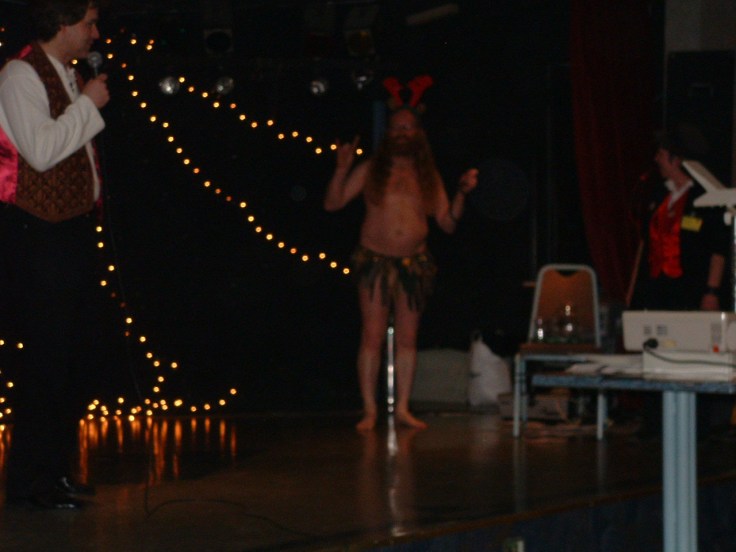
During this, the winner of the Deities competition at the 2006 Conference appeared on stage wearing his Cernunnos costume that caused much hilarity when he won that year. I had also entered this competition as Sekhmet among many other entrants.

The closing ritual was the story of a Shaman drumming by a small fire in woodland. His spirit energy connected with various animals, a Phoenix, buzzard, fox, stoat, badger and the woodland spirit.

The narrator explained the symbolism and the gift of insight the Shaman would receive from each one. The animal masks were well made and the costume of the golden Phoenix was beautiful.

No event would be the same without an appearance from our wonderful Cornish Piper Merv Davey to lead the spiral dance. We had the opportunity to converse with him and his wife during the lunch break and he expressed an interest in performing at our All Hallows event.

We visited the London Inn for an evening meal after a ten minute walk from the venue. The night air was refreshing as a full Conference event can become extremely warm. As we studied the menu near the bar a young woman approached me and expressed her appreciation and enjoyment of our Wisewomen in West Cornwall Facebook page. It was good to receive feedback on various posts as well as our updates on work and events.
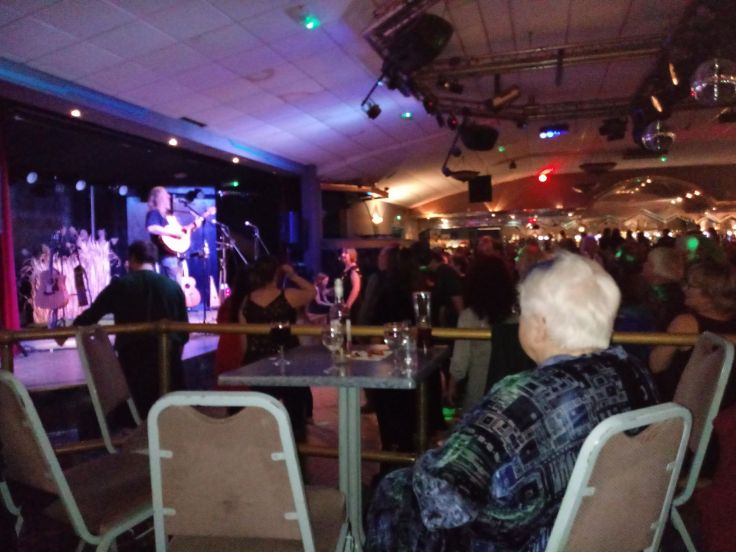
We arrived back at Penstowe Manor in time for Damh the Bard’s performance. We sang, danced and had a wonderful time with good friends. Fiona was recovering from a recent fall but still worked hard at the event. The evening provided an opportunity for her to relax and enjoy the music.

Cassandra and I were pleased we attended this special event as we had a fabulous time. We wish the Devon and Cornwall Conference a successful future as they forge ahead as Pagan Phoenix South West.
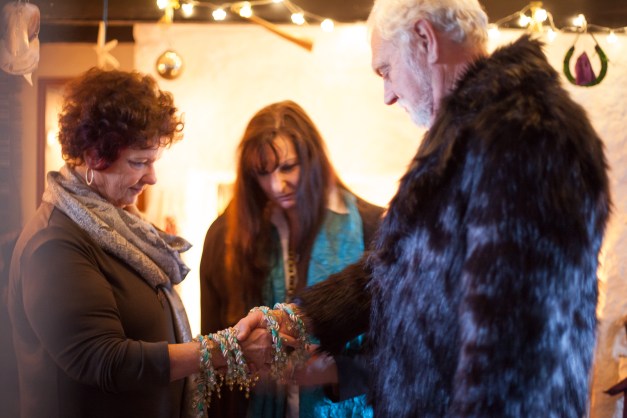
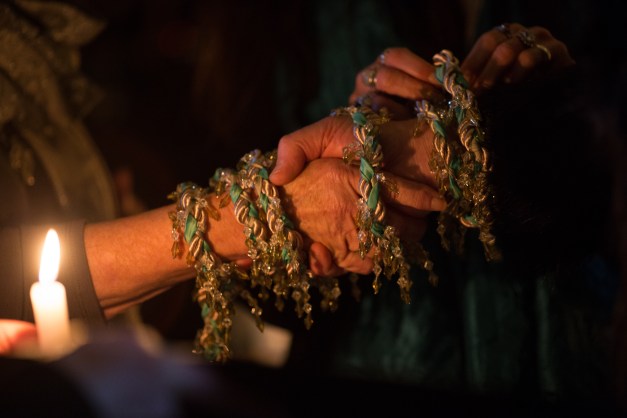
A Winter Handfasting 2018

We first met Karyl when she travelled here from the U.S. with a group of friends and arranged to join us for a Walk with Wisewomen two years ago.

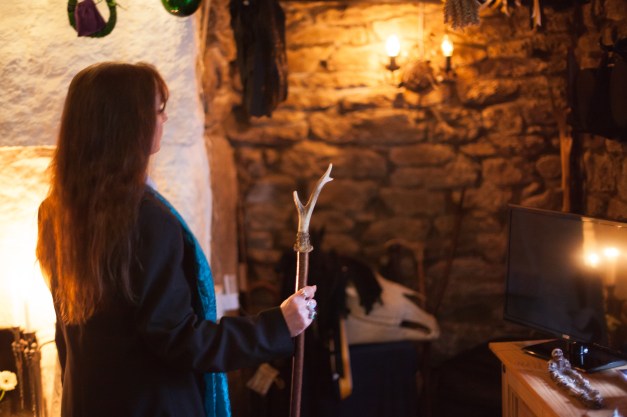
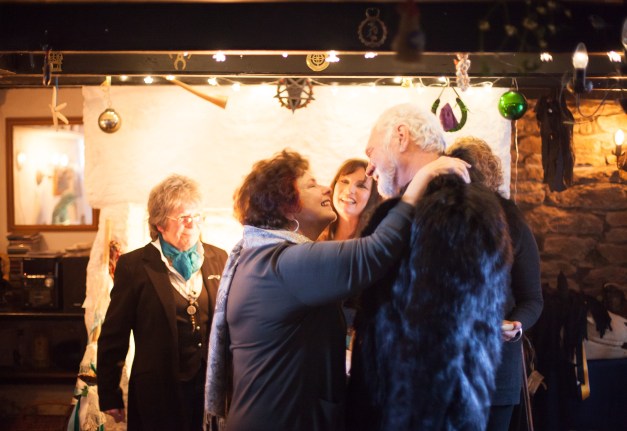
On this occasion, she returned with her new partner Paul and requested a Handfasting. January has had frequent stormy weather, gale force winds and heavy hail showers accompanied by icy temperatures, so Karyl requested we conduct the ceremony within Cassandra’s cottage.

This is the 2nd occasion when a Handfasting has occurred within the cottage, the first happened many years ago when a couple from Denmark unexpectedly called upon Cassandra requesting an immediate ceremony, giving her about an hour to prepare.

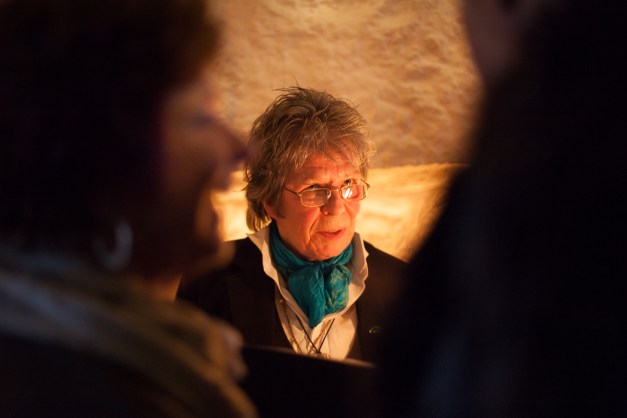
Karyl had booked in advance, so our wonderful friend and photographer John Isaac captured fabulous images of the occasion. Karyl and Paul were accompanied by two good friends to witness the ceremony and offer support. It was a small and intimate ceremony before the larger legal wedding they had planned for May Day.

Images by John Isaac

Mermaid of Zennor

I have felt a close connection with Zennor from the first occasion Cassandra took me to visit Zennor Hill in 2009. We were there for the specific reason of my spiritual connection with the land. Whilst exploring the hill I was drawn energetically to the village of Zennor that was visible below the hill.

I then learnt about the legend of the Mermaid of Zennor and have already written about on this site. See Mermaid of Zennor

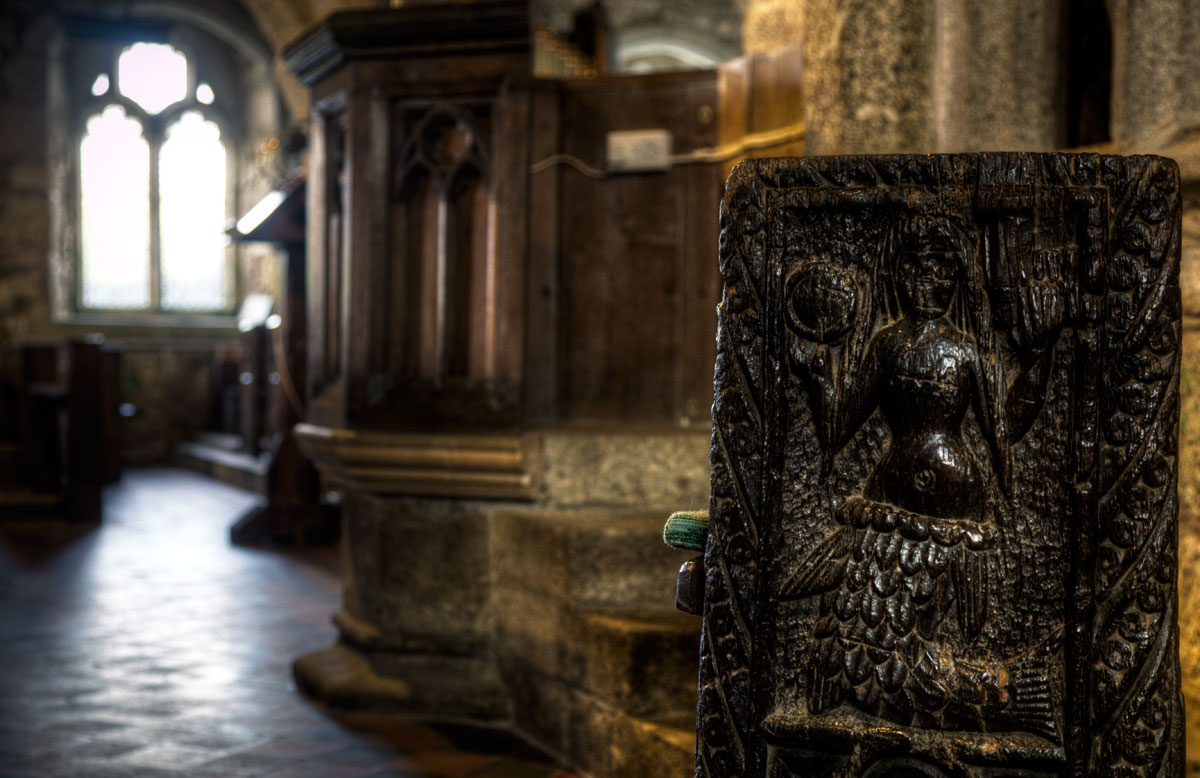
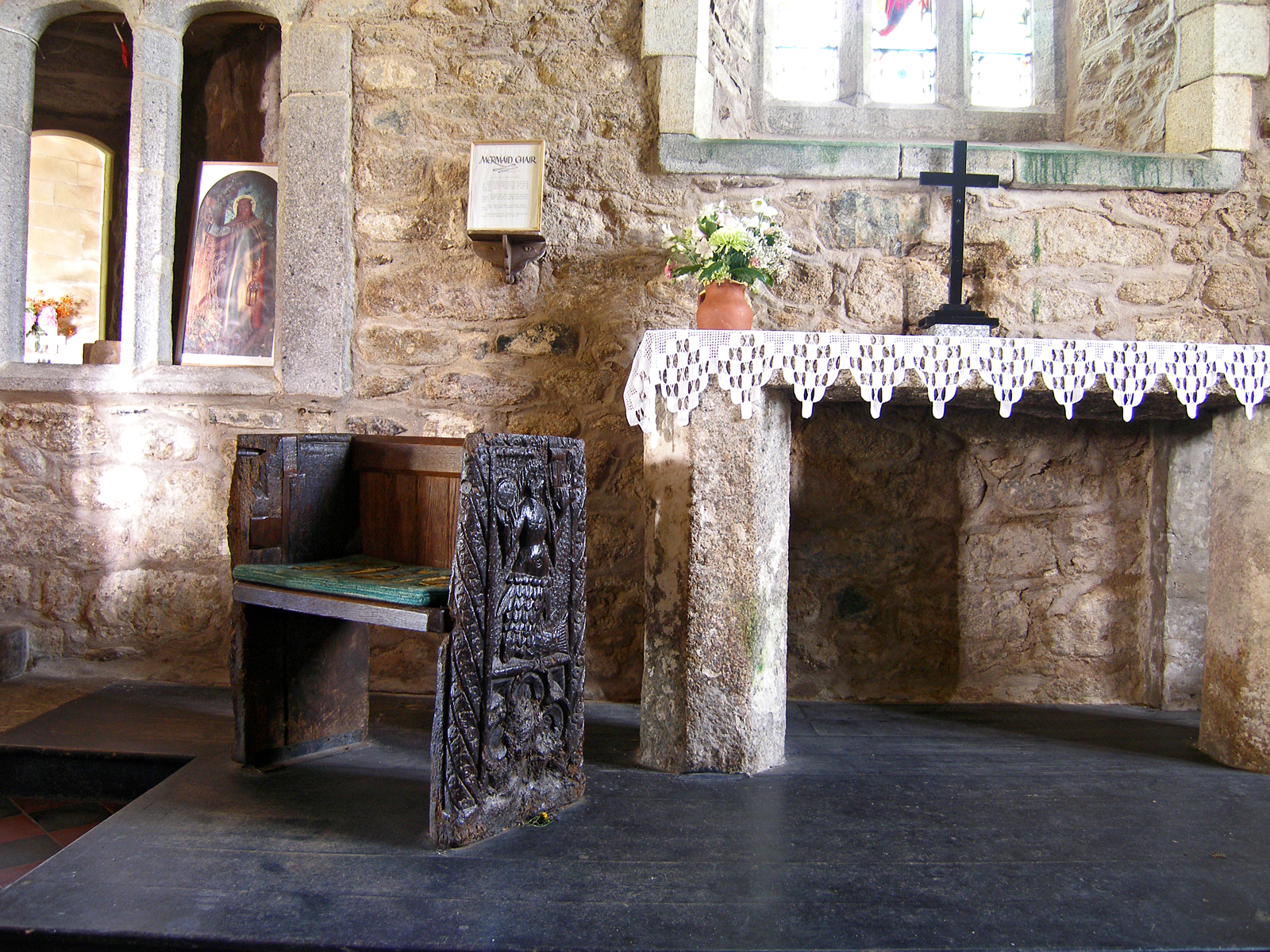
It was a delight to see the mermaid carving upon the side of the pew within St Senara’s church in Zennor.

The worn pew is tucked away in a side-aisle and shows the scars of over 500 years  constant use.

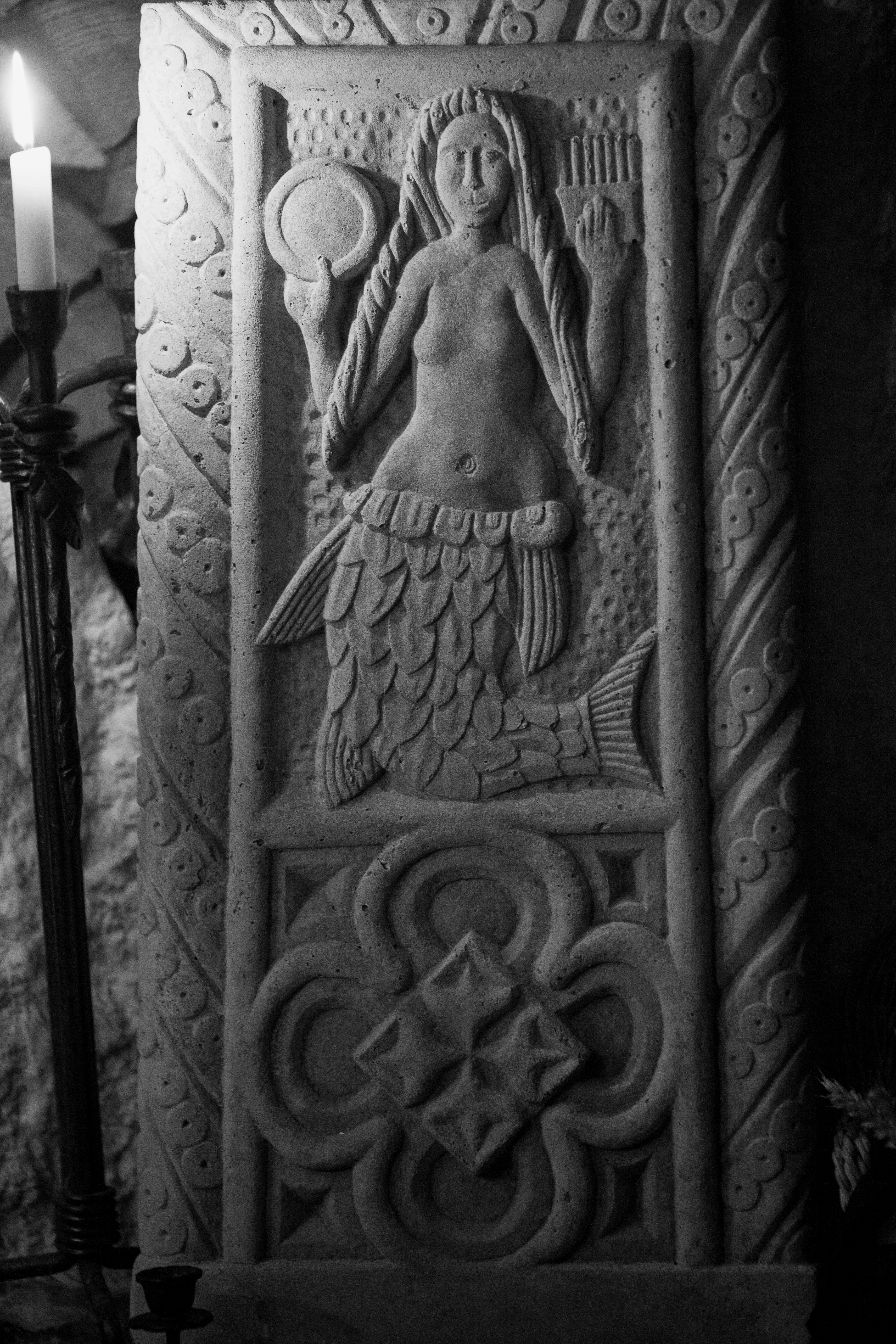
The curious carving of the mermaid has many interpretations from its medieval worshipers. Mermaids were a symbol of Aphrodite Goddess of love and the sea who held a love apple in one hand and a comb in the other. the quince (love apple) was later changed to a mirror which is a symbol of heartlessness and vanity. Medieval Christians viewed her as a symbol of the ‘sins of the flesh’. She was used to illustrate the two natures of Christ in the seafaring community as she was half fish and half human symbolizing that the Christ could be both divine and human. This resonated with the inhabitants of the region as their lives were intertwined with and dependent on the sea.

Read more here: Haunted Britain

Recently I visited The Healing Star in Penzance where they displayed a plaster cast of the Mermaid of Zennor by Rory Te Tigo. He left it in the shop hoping they could sell it for him. Each time I visited I was entranced by it, especially as there is little memorabilia of this particular mermaid. When I eventually decided to purchase it, Rory had collected the mermaid as he planned to display her at an event.  I contacted him and he kindly offered to make another for me over a period of three weeks.

Rory had the marvellous idea of producing a casting of the mermaid carving displayed in the Tinner’s Arms at Zennor and creates replicas of it using this method.

I am now the proud owner of a Mermaid of Zennor which is about the same size as the one in the church. Rory described in great detail how he created her, as you can see by John Isaac’s wonderful photographs Rory works with precision and achieves wonderful results. Her powerful presence graces our home and brings with her the blessings of the sea.

Two final images by John Isaac

To see more of Rory Te Tigo’s work visit his: website

Witches, Familiars, Spirit Guardians and Daemons

The folklore of a wicked witch and her familiar is well-known and often told. During the season changes and longer nights it is common to see a black cloaked figure with a cat or toad at their side. This is an archetype of magical practitioners wielding their power over animals and nature, but a far cry from the original beliefs.

Magical spirit creatures have featured within and resonated throughout history in creational myths, religions and tribal traditions. In recent times magical animals and familiars were re-imagined as dangerous or evil companions. Historically they were viewed as guardian angels rather than demons.

Read more here: Ancient Origins

Morvargh visits Boscastle

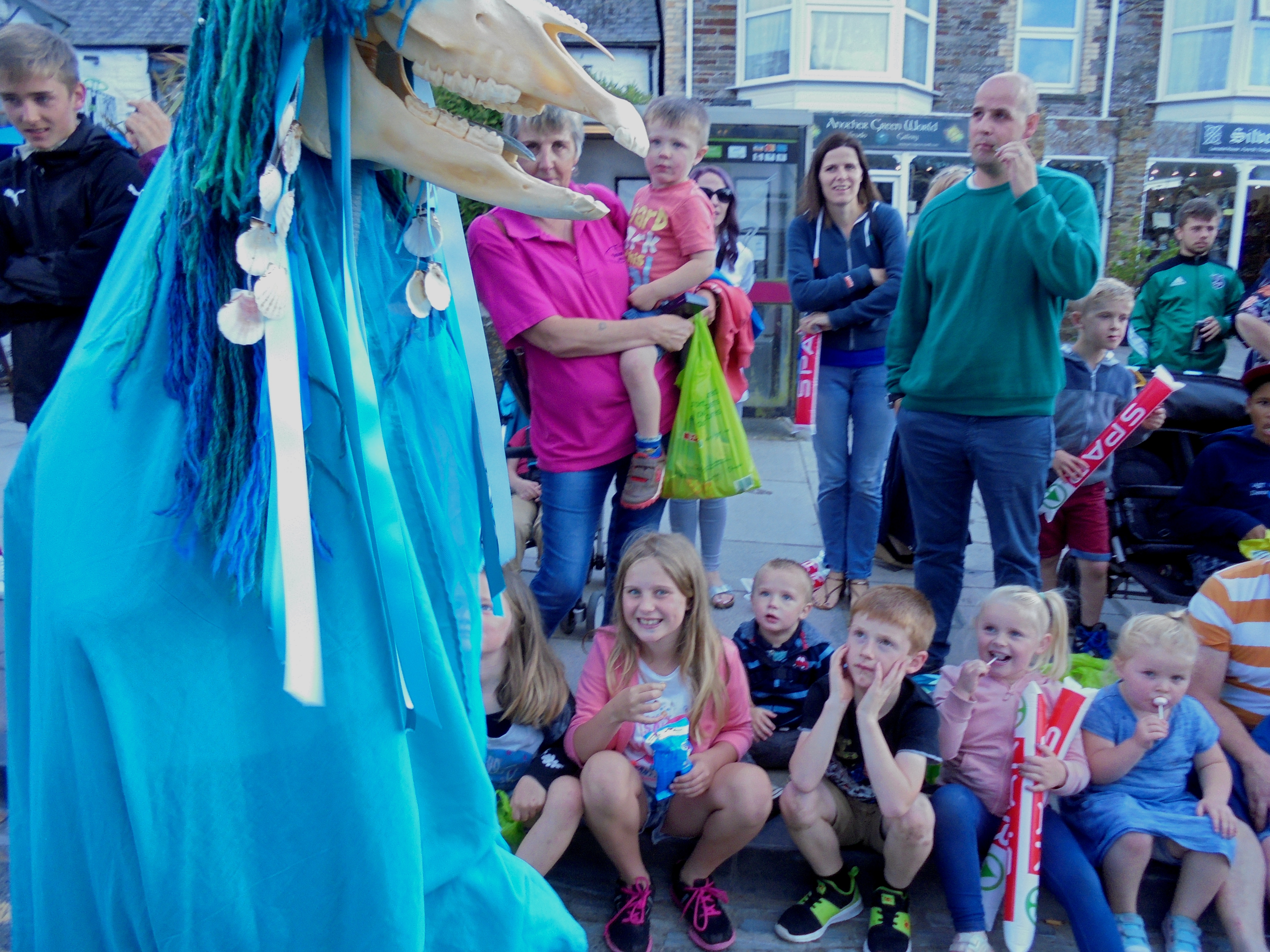
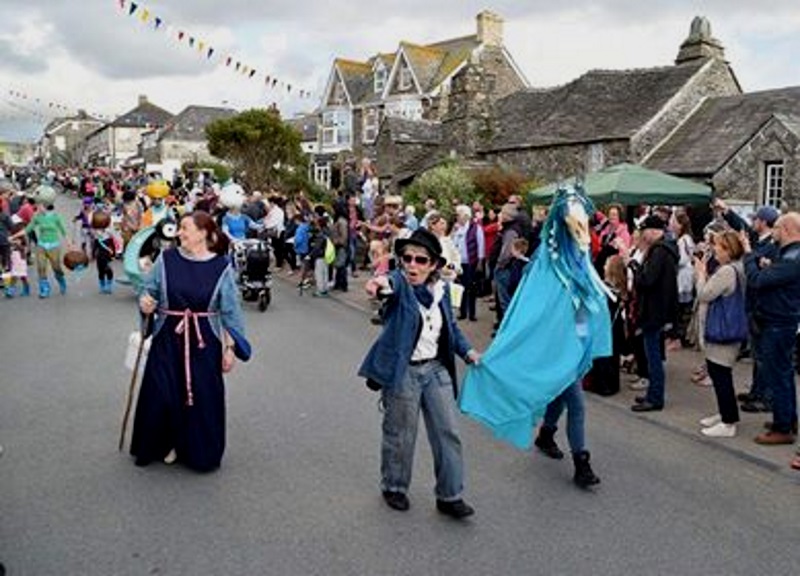
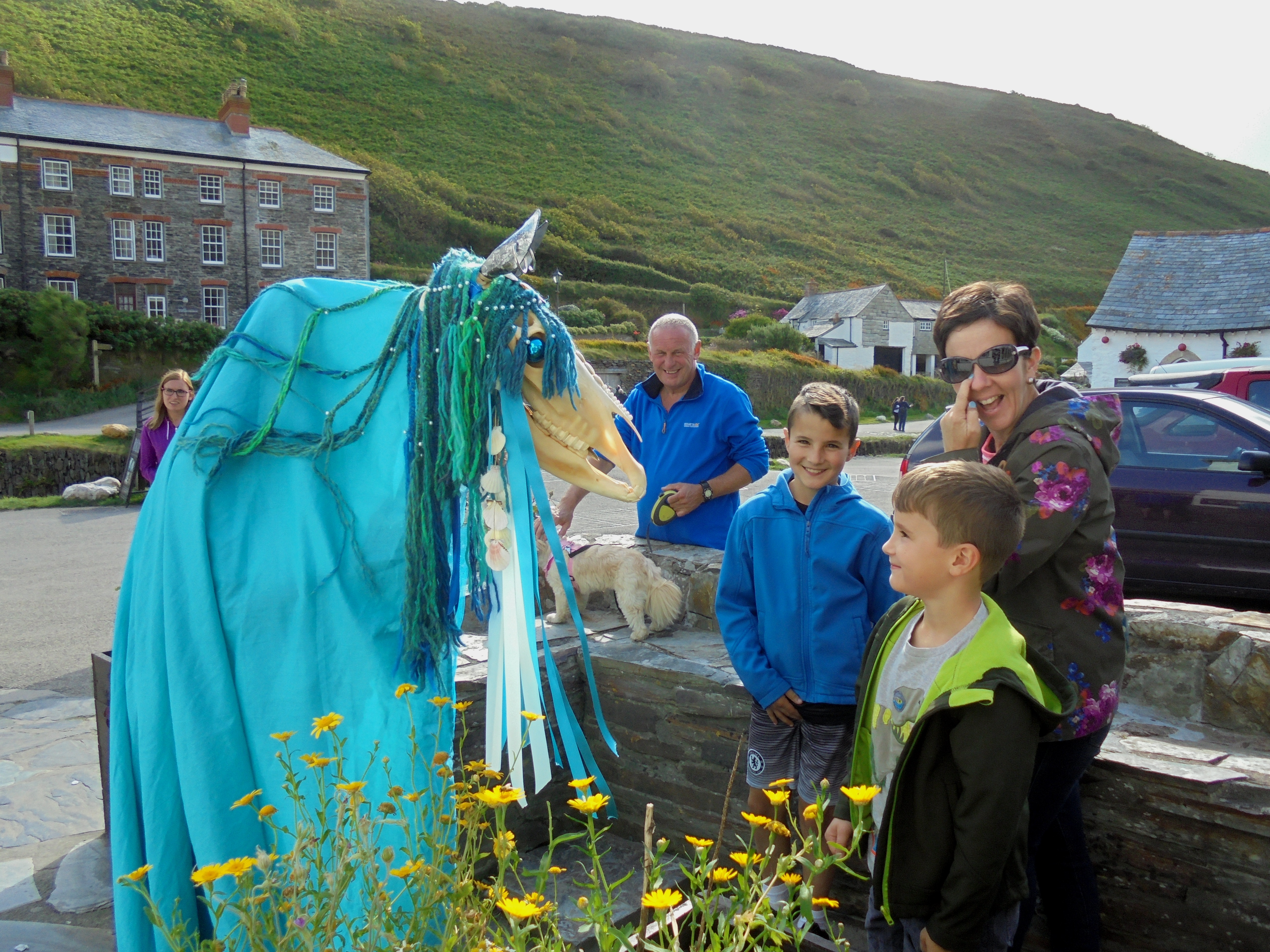
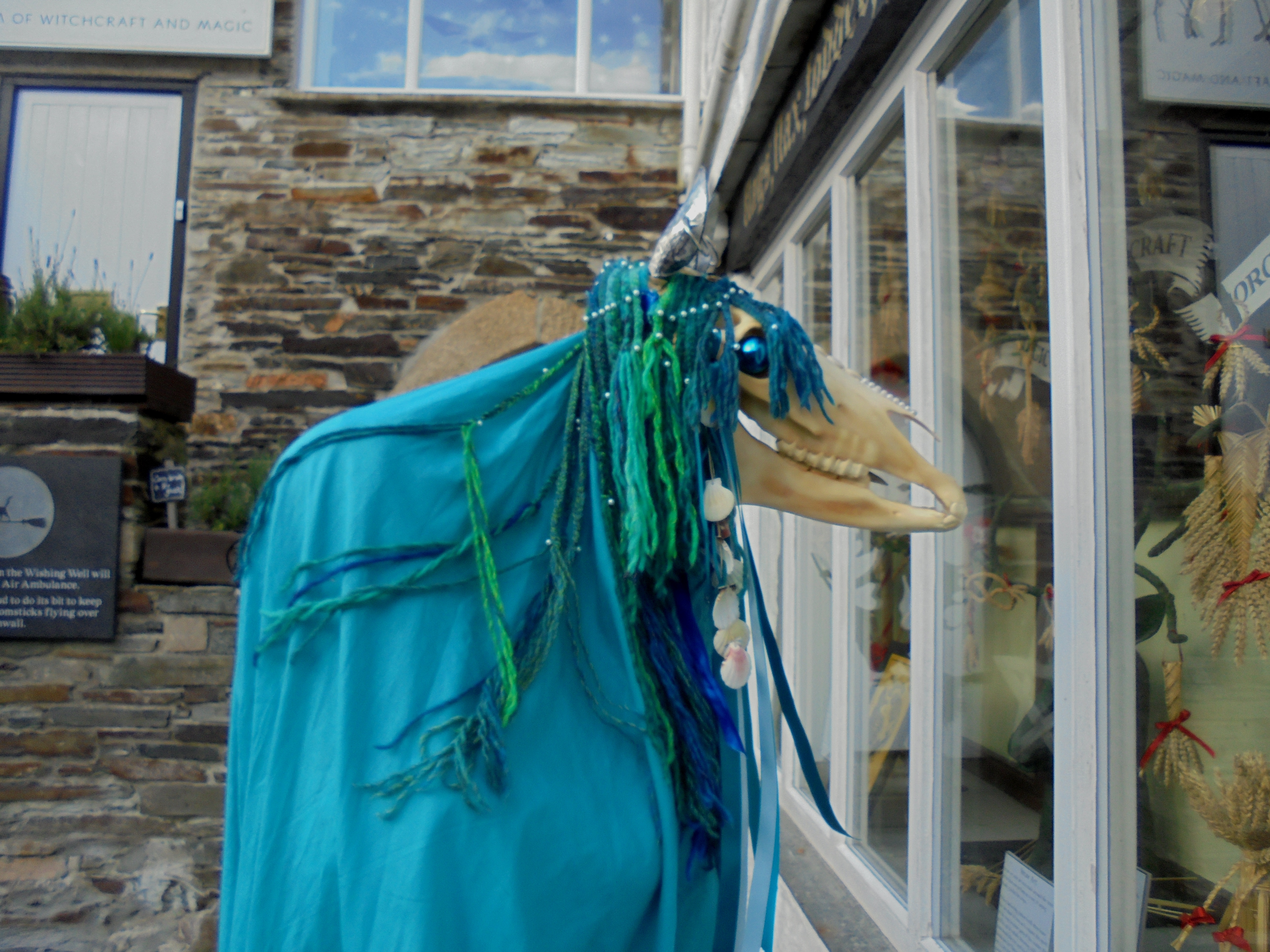
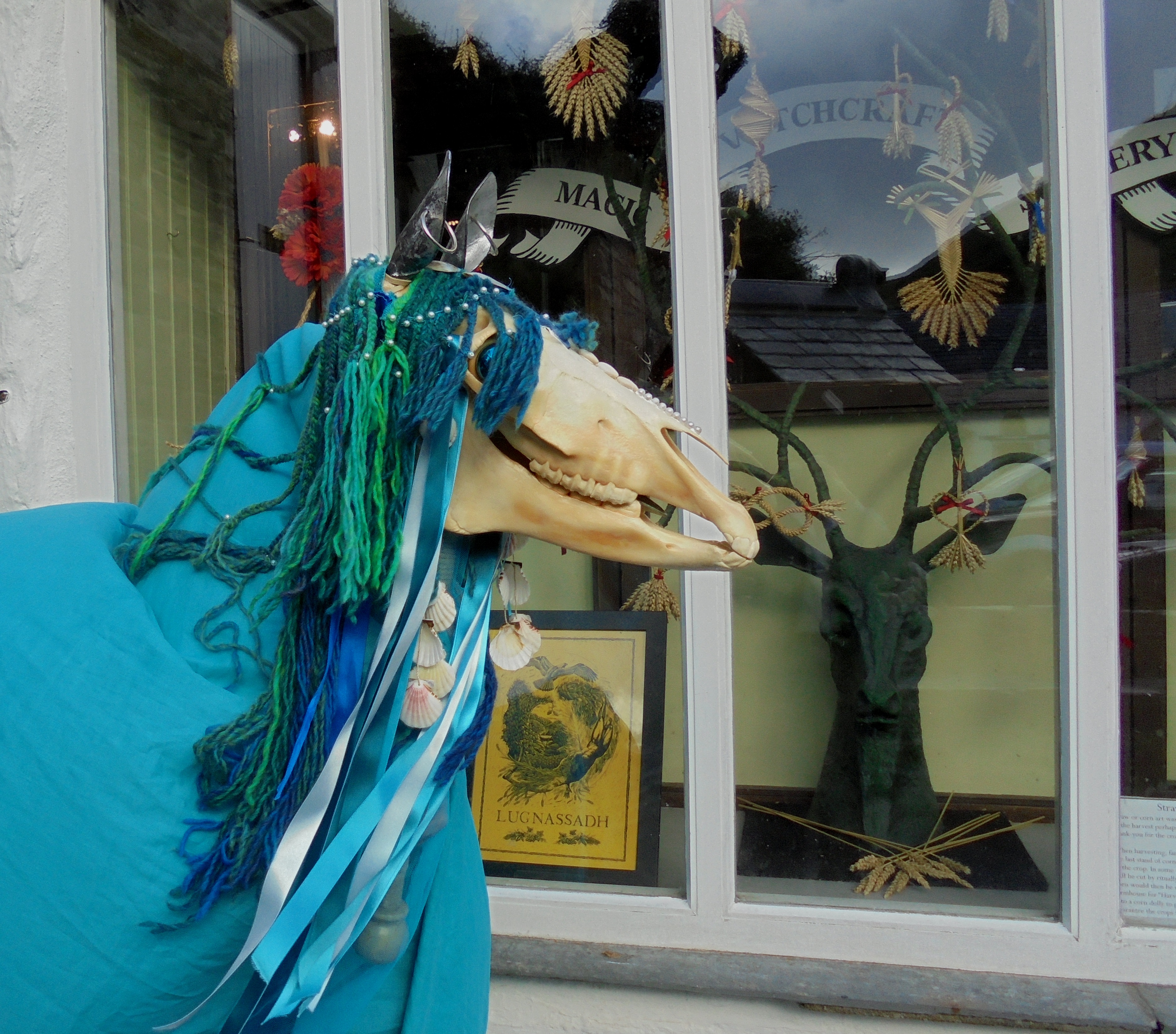
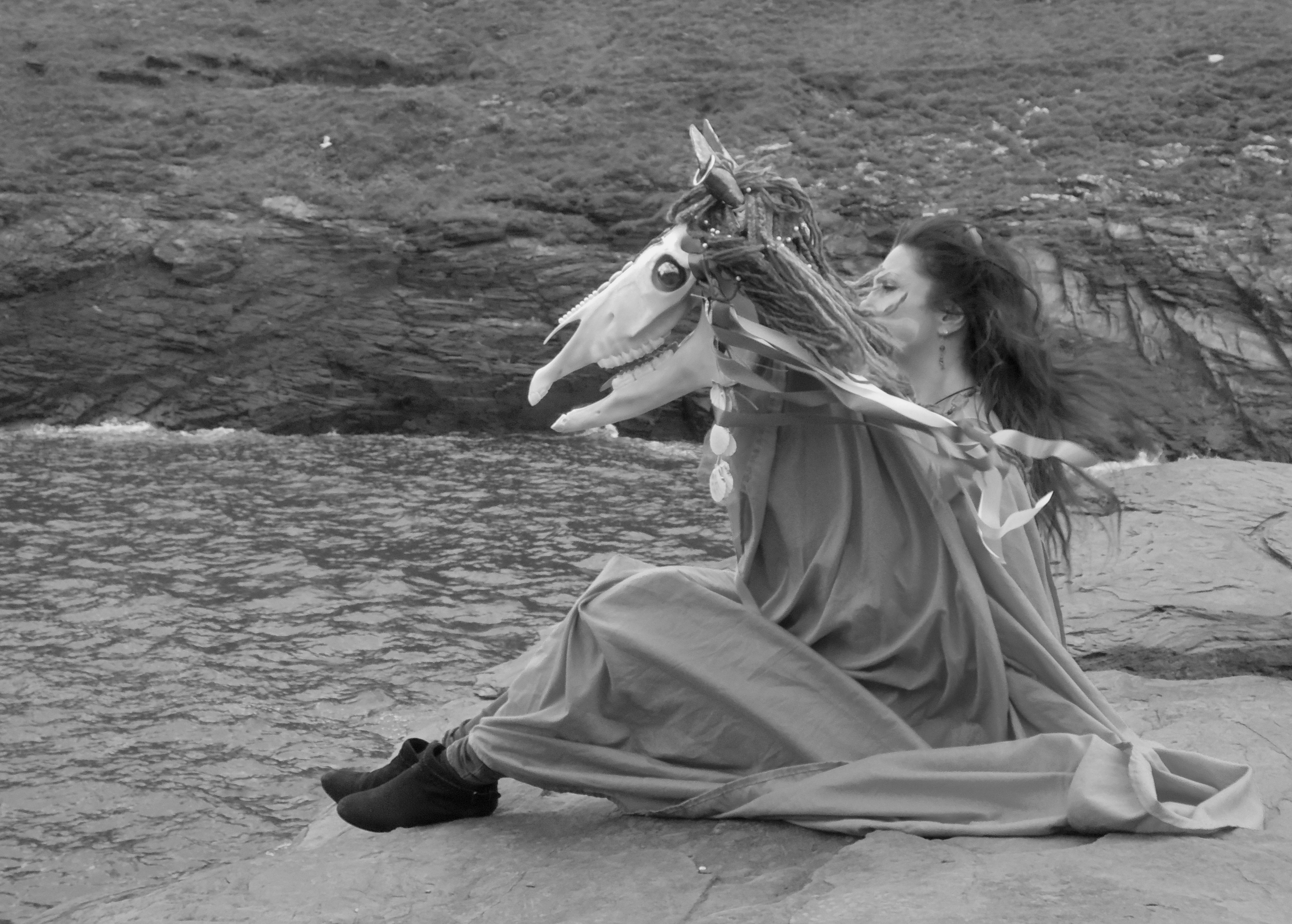
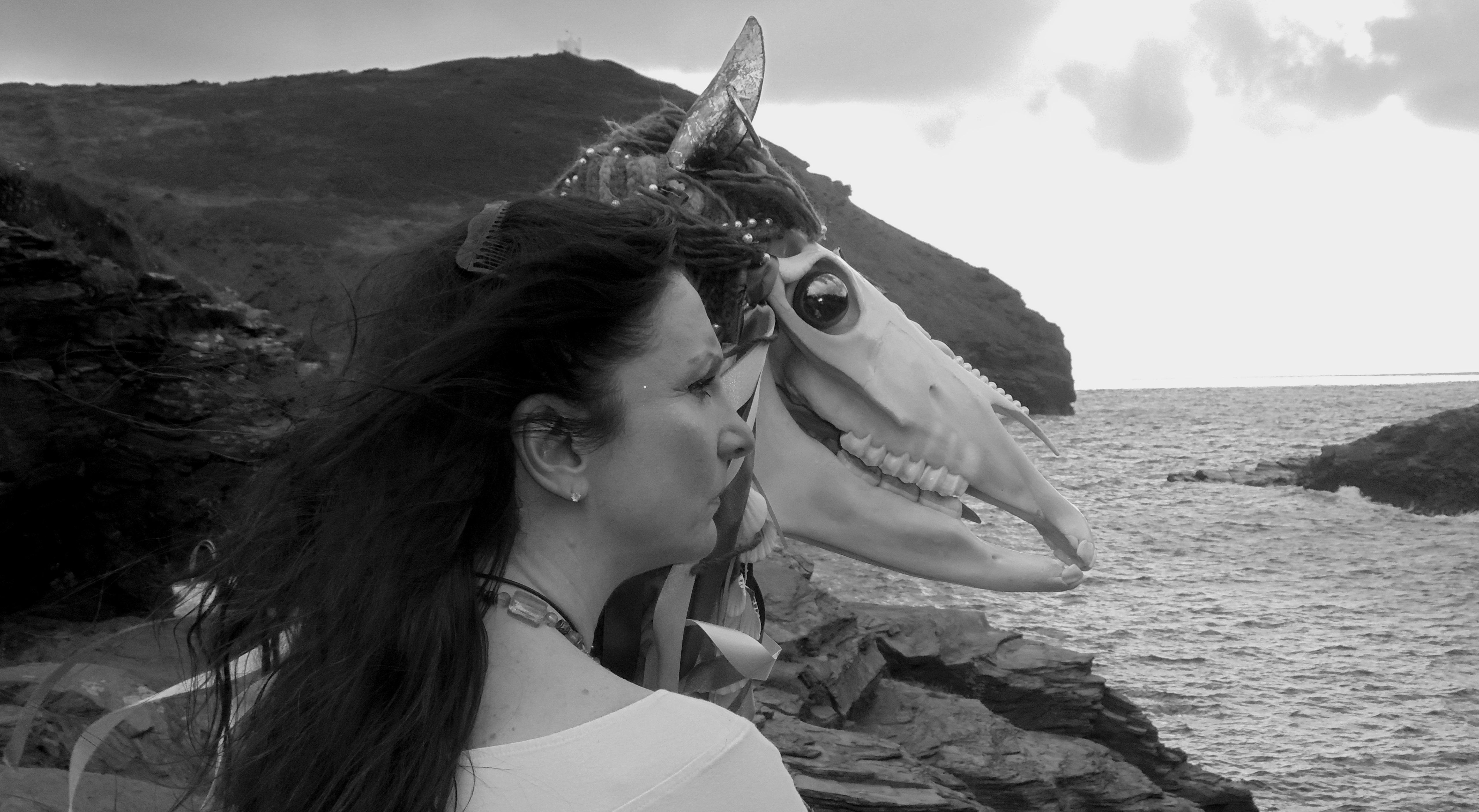
Yesterday was a fabulous day for us when we took Morvargh the Sea ‘Oss to Boscastle and introduced her to Peter, Joyce and Louise Fenton at the Museum of Witchcraft and Magic.

The village was full of tourists who were interested in Morvargh and what she represents.

We also spent time enjoying the sublime atmosphere of the harbour.

A wonderful afternoon.

Swiss Sea Enchantment and Divination Workshop

Wicca, Cassandra and I

Our 2017 spring and summer Old Ways Workshops began with one for twelve Swiss Pagans. We were unable to invite them all in Cassandra’s tiny cottage, so we hired the St Buryan village hall.

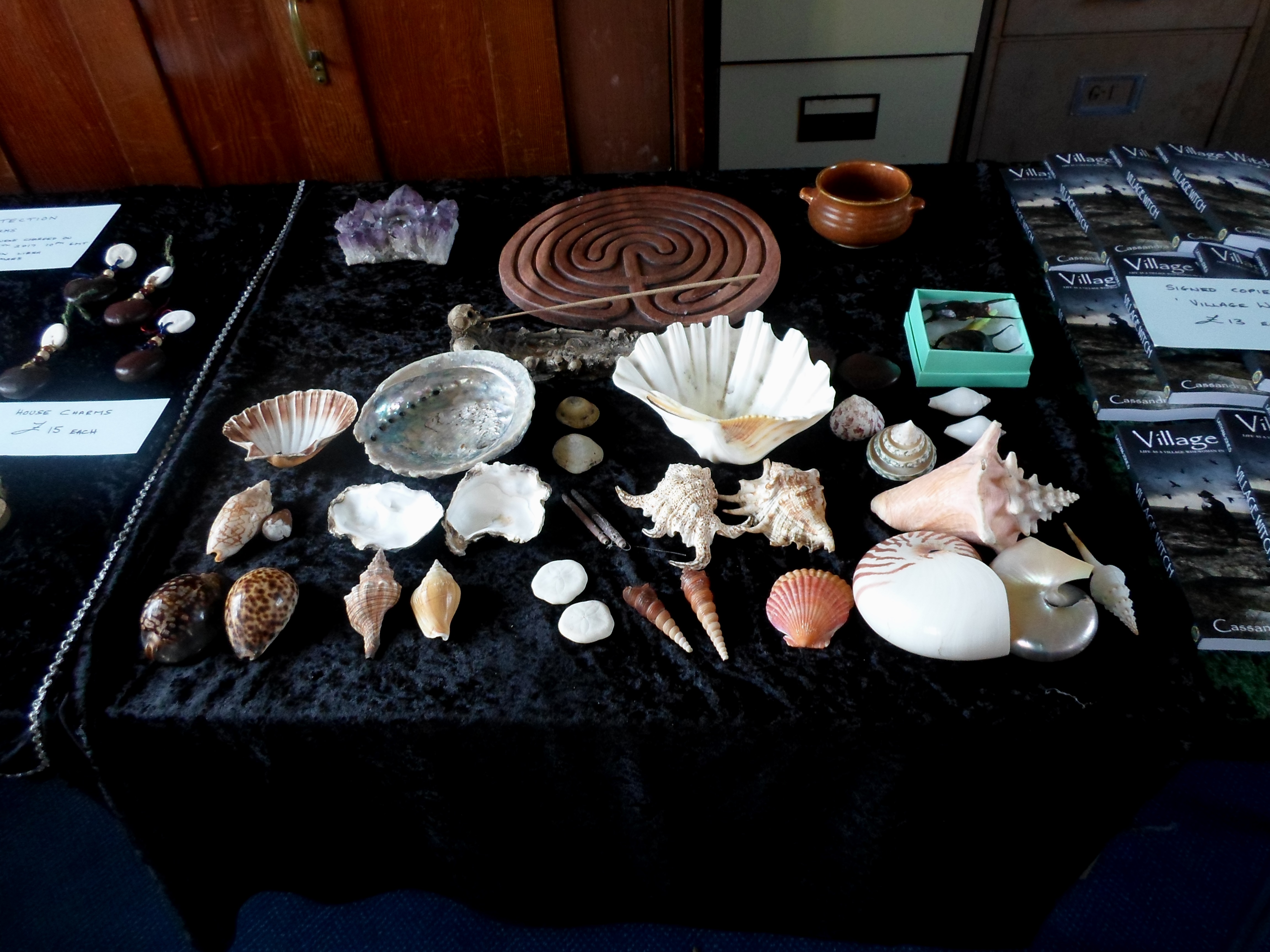
Wicca, a lovely woman who runs the: Swiss Museum of Witchcraft, arranged for her group to meet with us and translated the relevant information. Cassandra gave a talk on her life and work as a Wisewoman and I spoke about sea spirits, mermaid legends, elemental work and uses for seaweed, sand and other materials found on beaches.  I also explained magical properties of various sea shells, sea beans and mermaids purses.

Cassandra was asked to construct a few protection charms for the group to purchase at their workshop.

After allowing time for questions after the talks, we provided materials for them to construct personal charms. The unique designs they created and type of material they chose told us something about their individual personalities.

After blessing the charms we visited Boscawen-un Stone Circle to activate them with meditation and raising energy by dancing to the beat of a drum.

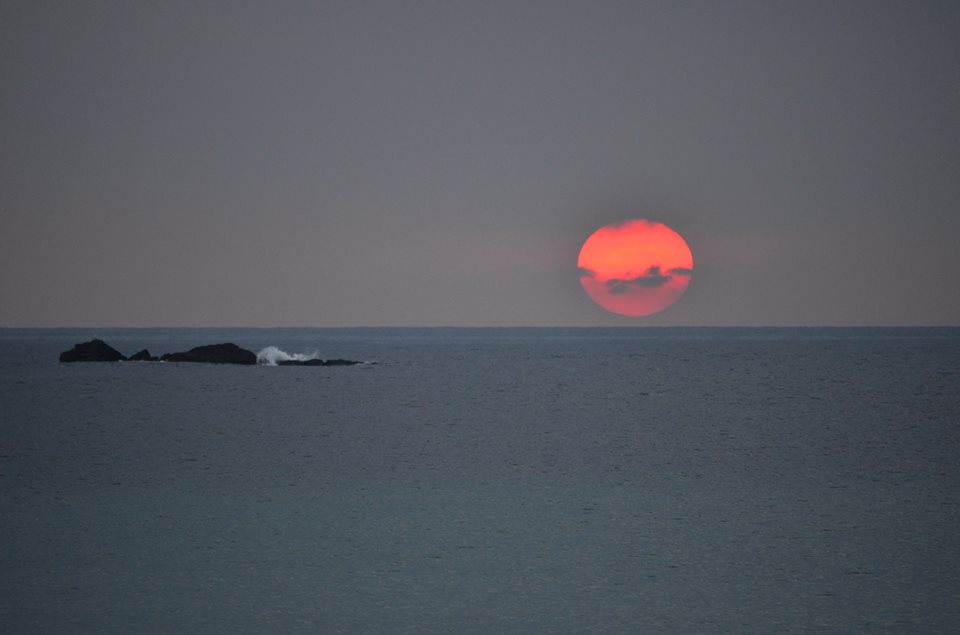
We visited Sennen Beach and watched the deep red sun in the sky as it descended over the sea. The group members live inland and rarely get an opportunity to experience wonderful energies from the sea in Switzerland.

Cassandra built a fire and we sat around it while discussing local folklore.

We sang chants by the shore to invoke the sea spirits and raise energy for casting spells with sea shells. We then returned to the fire for Cornish blackberry mead and saffron cake.

It was a wonderful workshop with a group of fabulous people. Despite the difference in language, our love of the Old Craft deeply connected us all.

Our St Buryan Community

I moved to St Buryan in 2010 and Cassandra introduced me to some of the local residents that frequent the St Buryan Inn. She often referred to it as “her office” conversing with members of the community who may require her services. The other residents who do not frequent the Inn attend local events and occasional church services that were conducted by our lovely Reverend Canon Vanda Perret. Cassandra and I often visited the Rectory for tea and a mutual update on local matters with Vanda and Bob. (Unfortunately they moved to another part of the UK due to circumstances beyond their control).

The following video footage is an example of evenings we spent in the St Buryan Inn, listening to the St Buryan Male Voice Choir or the Cape Cornwall Singers. Cassandra remembers many of the adults when they were small children and now they have children and grandchildren of their own. It was heart-warming to see the residents enjoying themselves.

I am in the following video (wearing a white shirt)  participating in  the singing. Cassandra usually sang with them too but on this occasion she stood on a chair operating the video camera.

The following information about the village is fascinating and there is also a tale of Betty Trenoweth. an old traditional story of the BURYAN-TOWN WITCH……

Betty Trenoweth of Buryan Church-town in Cornwall was a positive witch.

One day Betty went to the address promote and was on the see of retail a pig when her neighbour, Tom Trenoweth, stepped in and bought the pig before she can in the vicinity of the bargain. Betty was far from lighthearted about this.

Tom presently had troubles with his pig. From the very most basic day the pig ate and ate her new owner out of pen and home but, curiously, became thinner and thinner.

The pig wouldn’t stretch out home and wandered far afield, drifting apart prepared hedges and life-threatening other popular crops and zone.

Tom was low so in time deep the and no-one else option was to switch the animal at Penzance promote. On the way the sow most basic refused to embrace a distribute and as a result turn your back on. Tom followed the plump pig prepared gorse, brambles and bogs.

Towards the end the pig was jammed, but she was however full of energy. Her drained owner confident her very firm to his wrist and off they set another time.

At as soon as a hare – someone unconditionally that it was Betty Trenoweth in that vessel – started in front part of them with a cry of, “Chee-ah!The sow ran following the hare at full rush, spent Tom miserable her as far as Tregonebris suspension bridge, under which the pig became hunger strike run aground.

She can neither be hard-pressed, pulled, prompted, nor coaxed out. Tom sat state all without help and thin until ‘day-down’ when – by a supernatural accident – out of order came Betty Trenoweth in at all form.

Expressing her top secret at Tom’s free challenge, she unfilled to serve him a two-penny loiter and to buy the pig for short the peculiar expense.

A yearning purpose ensued and Tom, weak of the whole concern, in the end gave in and told the living thing she can put up with the sow.

Chee-ah!” she calm under the lanky suspension bridge and at as soon as the sow, acquiescent as a dog, crept out and followed her home at her heels.

The well-brought-up of this check in is to embrace twofold before go on a journey a Cornish witch – “Chee-ah!”

The Cornish Riddle Of The Trevethy Quoit Grate

“The village of St Buryan is situated approximately five miles (8 km) from Penzance along the B3283 towards Lands End. Three further minor roads also meet at St Buryan, two link the village with the B3345 towards Lamorna and the third rejoins the A30 at Crows-an-Wra.

St Buryan parish encompasses the villages of St. Buryan, Lamorna, and Crows-an-wra and shares boundaries with the parishes of Sancreed and St Just to the north, Sennen and St Levan (with which it has close ties) to the west, with Paul to the east and by the sea in the south. An electoral parish also exists stretching from Land’s End to the North Cornish Coast but avoiding St Just. The population of this ward at the 2011 census was 4,589.

Named after the Irish Saint Buriana, the parish is situated in an area of outstanding natural beauty and is a popular tourist destination. It has been a designated conservation area since 1990 and is near many sites of special scientific interest in the surrounding area.

The parish is dotted with evidence of Neolithic activity, from stone circles and Celtic crosses to burial chambers and ancient holy wells. The village of St Buryan itself is also a site of special historic interest, and contains many listed buildings including the famous grade I listed Church. The bells of St Buryan Church, which have recently undergone extensive renovation, are the heaviest full circle peal of six anywhere in the world. The parish also has a strong cultural heritage.

Many painters of the Newlyn School including Samuel John “Lamorna” Birch were based at Lamorna in the south of the parish. St Buryan Village Hall was also the former location of Pipers Folk Club, created in the late 1960s by celebrated Cornish singer Brenda Wootton. Today St Buryan is a prominent local centre housing many important amenities.

The area surrounding St Buryan was in use by humans in Neolithic times, as is evident from their surviving monuments. A mile (1.6 km) to the north of St Buryan lies Boscawen-Un, a neolithic stone circle containing 19 stones around a leaning central pillar. The circle is also associated with two nearby standing stones or menhirs. Although somewhat overgrown, the site can be reached by travelling along the A30 west of Drift and is only a few hundred metres south of the road. A more accessible stone circle, The Merry Maidens, lies 2 miles (3 km) to the south of the village in a field along the B3315 toward Land’s End. This much larger circle comprises nineteen granite megaliths some as much as 1.4 metres (4 ft 7 in) tall, is approximately 24 metres (79 ft) in diameter and is thought to be complete. Stones are regularly spaced around the circle with a gap or entrance at its eastern edge. The Merry Maidens are also called Dawn’s Men, which is likely to be a corruption of the Cornish Dans Maen, or Stone Dance. The local myth about the creation of the stones suggests that nineteen maidens were turned into stone as punishment for dancing on a Sunday. The pipers’ two megaliths some distance north-east of the circle are said to be the petrified remains of the musicians who played for the dancers. This legend was likely initiated by the early Christian Church to prevent old pagan habits continuing at the site.

Like Stonehenge and other stone monuments built during this period the original purpose of such stone circles is unknown, although there is strong evidence that they may have been ceremonial or religious sites. Many other lone standing stones from the neolithic period can be seen around the parish, at sites including Pridden, Trelew, Chyangwens and Trevorgans. In addition to menhirs there are 12 stone crosses within the parish, including two fine examples in St Buryan itself, one in the churchyard, and the other in the centre of the village. These take the form of a standing stone, sometimes carved into a Celtic cross but more often left roughly circular with a carved figure on the face. It is thought that many of these are pagan in origin, dating from the Neolithic and later periods, but were adapted by the early Christian church to remove evidence of the previous religion. These crosses are often remote and mark/protect ancient crossing points. Other examples in the parish can be found at Crows-an-Wra, Trevorgans and Vellansaga.

After a period of decline during the twentieth century, which saw a reduction in the village’s population, culminating in the loss of a blacksmiths, the local dairy, the village butchers and a café in the early nineties, St Buryan has been enjoying a renaissance, fuelled in part by an influx of new families. The local school has been expanded to include a hall and a fourth classroom and a new community centre has recently been built nearby.

In common with other settlements in the district such as Newlyn and Penzance, the post-war period saw the building of a council estate to the west of the village on land formerly part of Parcancady farm. The development was meant to provide affordable housing at a time of short supply in the post-war years. The estate subsequently expanded westward in the nineteen eighties and nineties. In the last census return, St Buryan parish was reported as containing contains 533 dwellings housing 1,215 people, 1,030 of which were living in the village itself.

A church has stood on the current site since ca. 930 AD, built by King Athelstan in thanks for his successful conquest of Cornwall on the site of the oratory of Saint Buriana (probably founded in the 6th century). The Charter from Athelstan endowed the building of collegiate buildings and the establishment of one of the earliest monasteries in Cornwall, and was subsequently enlarged and rededicated to the saint in 1238 by Bishop William Briwere. The collegiate establishment consisted of a dean and three prebendaries. Owing to the nature of the original Charter from King Athelstan, the parish of St Buryan was long regarded as a Royal Peculiar thus falling directly under the jurisdiction of the British monarch as a separate diocese, rather than the Church. This led to several hundred years of arguments between The Crown and the Bishop of Exeter over control of the parish, which came to a head in 1327 when blood was shed in the churchyard, and in 1328 St Buryan was excommunicated by the Bishop. St Buryan was not reinstated until 1336. Only two of the King’s appointed Deans appear to have actually lived in the diocese of St Buryan for more than a few months, and the combination of these factors led to the subsequent ruinous state of the church in 1473. The church was subsequently rebuilt and enlarged, the tower was added in 1501 and further expansion took place in the late 15th and 16th centuries when the bulk of the present church building were added. Further restoration of the interior took place in 1814, and the present Lady Chapel was erected in 1956. The church is currently classified as a Grade I listed building. The Deanery was annexed in 1663 to the Bishopric of Exeter after the English Civil War, however, it was again severed during the episcopacy of Bishop Harris , who thus became the first truly independent dean. The current diocese holds jurisdiction over the parishes of St Buryan, St Levan, and Sennen. St Buryan church is famous for having the heaviest peal of six bells in the world, and a recent campaign to restore the church’s bells, which had fallen into disuse, has enabled all six to be rung properly for the first time in decades. The church has four 15th century misericords, two either side of the chancel, each of which shows a plain shield.

Like much of the rest of Cornwall, St Buryan has many strong cultural traditions. The first Cornish Gorsedd (Gorseth Kernow) in over one thousand years was held in the parish in the stone circle at Boscawen-Un on 21 September 1928. The procession, guided by the bards of the Welsh Gorsedd and with speeches mostly in Cornish was aimed at promoting Cornish culture and literature. The modern Gorsedd has subsequently been held nine times in the parish including on the fiftieth anniversary, both at Boscawen-Un and at The Merry Maidens stone circle. There is also a regular Eisteddfod held in the village.

St Buryan is the home of a wise woman, Cassandra Latham. In 1996 Cassandra Latham (now Cassandra Latham -Jones)  was appointed as the first-ever Pagan contact for hospital patients. Within one year she was having so many requests for her services that she became a self-employed “witch” and was no longer financially supported by the government.

The feast of St Buriana is celebrated on the Sunday nearest to 13 May (although the saint’s official day is 1 May) consisting of fancy dress and competitions for the children of the village and usually other entertainments later in the evening. In the summer there are also several other festivals, including the agricultural preservation rally in which vintage tractor, farm equipment, rare breed animals and threshing demonstrations are shown as well as some vintage cars and traction engines. This is currently being hosted at Trevorgans Farm and is traditionally held on the last Saturday of July.

St Buryan is twinned with Calan in Morbihan, Brittany.Wikipedia

Create a free website or blog at WordPress.com.

Up ↑