Spring Equinox 2020 marks the tenth anniversary since Cassandra Latham Jones handed over her business of Village Wisewoman to me.

I previously worked as a qualified holistic therapist, where I was accustomed to dealing with various clients. When providing these alternative therapies however, clients are dealt with in a different way during a Wisewoman consultation.
Providing guidance for a client can be similar to counselling (in which I now have a Diploma) as they deal with life’s problems and dilemmas. We then discuss appropriate methods that may help to resolve their problems if they choose to follow the advice given.
Cassandra has a unique way of working and has built a good reputation. This is a tough act to follow for anyone who takes on her work. I was a resident of Cornwall for only ten months before I embarked on these pursuits. Although the community did not know me well, I had adequate experience to provide the services required. As time passed, I settled into the village community by frequenting our local Inn, attending some of the church services and village events. I am also a musician and ‘Oss Teazer at the local folk festivals.
In a short period of time I organised a correspondence system for dealing with clients creating a selection of email folders for: enquiries, readings, distant readings, spells, charms, rites of passage, feedback, property cleansings, and wart charming. This also included Wisewomen walks and workshops that we provided in the past. Explaining to a client the list of items required for services we provide has now become routine and I converse with the confidence that comes with experience.
Cassandra taught me the best method for handling business accounts and it’s not too difficult a task with a small business. I admire her for managing these herself throughout the years with ‘dyscalculia’. It is less of a problem for me as I am good with numbers, however modern technology lessens the burden of mathematics.
I understand why a ‘code of ethics’ is necessary when working as it is unwise to cast spells for clients to influence others against their will. These spells can have huge repercussions and consequences that some individuals experience when they cast spells for selfish reasons or send curses. I have witnessed these outcomes.
Learning the process of creating charms has been an enjoyable aspect of my work. It is reminiscent of past interests I had with cross-stitch embroidery and crochet skills during childhood and adolescence. I am also skilled in intricate needlework which has been very helpful when creating clothes for poppets. The corresponding ingredients for each charm continues to fascinate as each one is as unique as the client it is made for. For example, when I construct two fertility charms neither one is identical in appearance or contents, but will activate the same outcome.
Another aspect where needlework skills come to the fore is the creation of clothes for dolls. This inspired me to create more clothing for poppets that have an uncanny likenesses to those they represent. Cassandra has said that my work with dolls is one of my outstanding talents.

I have witnessed many Tarot readings and know Cassandra’s Tarot cards well, meaning that I have the ability to provide readings with an identical deck if she were unable to do so. The psychic impressions and messages I receive during a consultation before the tarot spread is laid out, are then confirmed by her readings. Our distant readings for clients are extremely accurate and this has enabled us to provide guidance for clients globally.
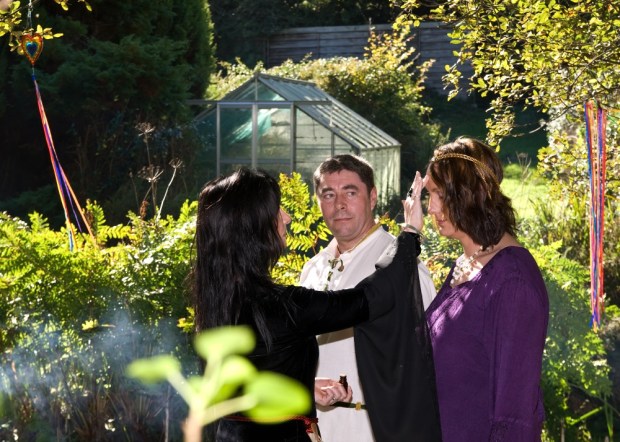
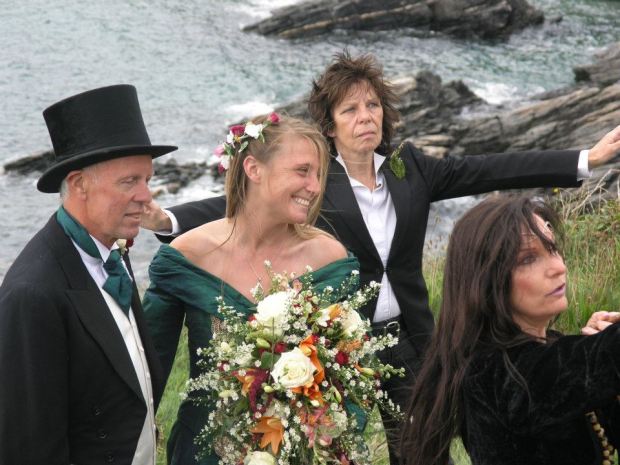
The Rites of Passage ceremonies we provide are wonderful occasions. We have performed the role of Celebrants at wondrous sacred sites and unusual venues. My past ceremonial training comes to the fore when setting a sacred space although the words that I use are different, invoking a deeper connection with the ancient land around us.
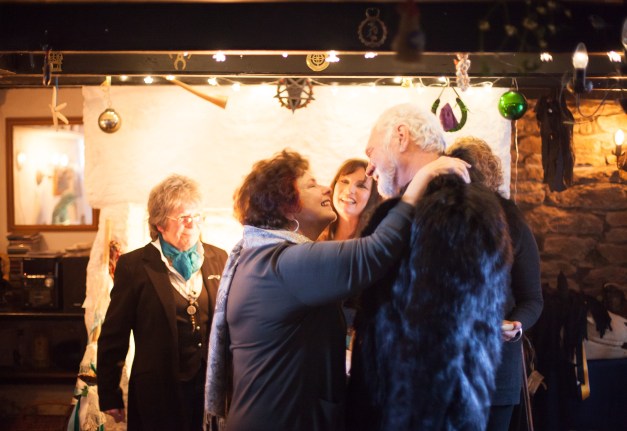
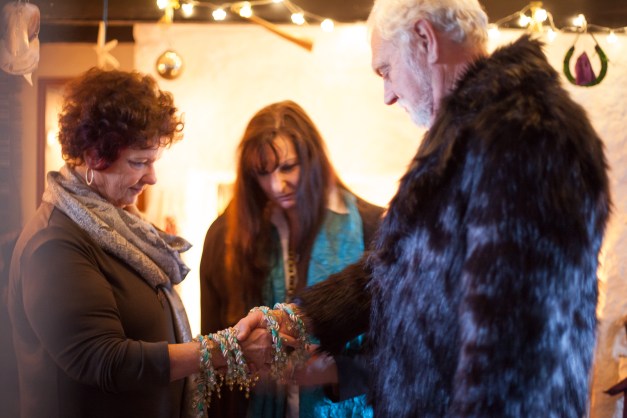
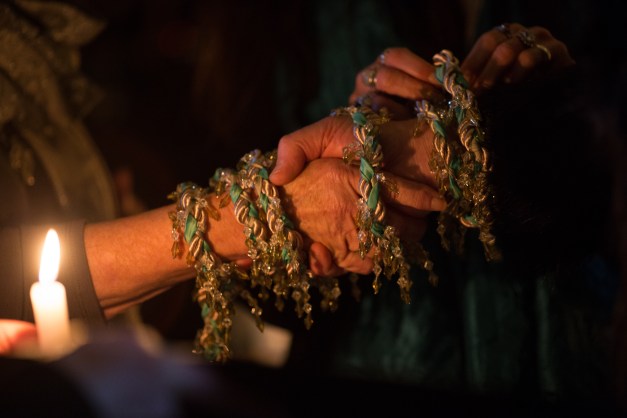
We prefer a couple to have known one another for at least a year before taking the important step of Handfasting. Some are legally married a considerable length of time and wished to renew their vows. Others have a spiritual ceremony with us and visit a registry office before or after the ceremony if they require a legal contract.

Our property cleansings are quite an adventure, from modern houses to period properties, cottages, hotels and local Inns. Their history and the varied lives their residents lead can leave residual energies that penetrate the foundations of these buildings. These can affect properties in startling ways. Spirits of deceased owners can form an attachment with their properties and find it difficult to move on. Some spirit presences are harmless and the present occupiers may be comfortable with their presence, however there are those that can be troublesome and clients need assistance in moving them on.


I have experienced on many occasions the remarkable difference of energy and atmosphere within a property after a cleansing when we have re-visited them.

Image – John Isaac
Spell casting is an exciting aspect of our work, particularly where a specific time is set for a client to work along with the practitioner. There have been occasions when the required result has occurred within 24 hours and for others, a period of time has passed before reaching a successful outcome. Throughout this past year I have worked with one particular client casting many spells for an ongoing legal case and each spell cast produced a successful outcome for each stage of the process.
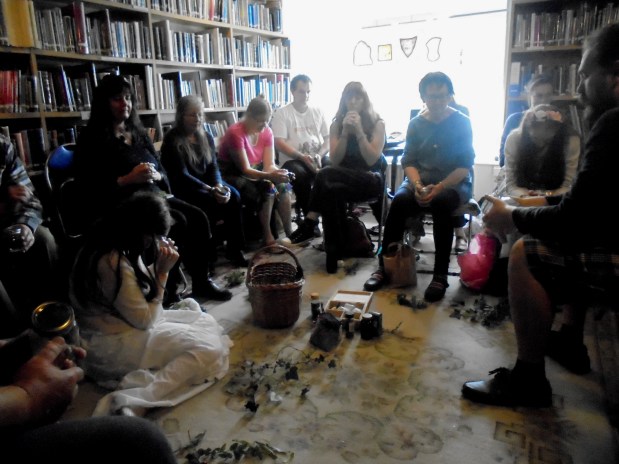
Our workshops have been successful. Attendees are intrigued by the work we do and enjoy spending time with us to experience this.

We have met some wonderful individuals and had many fascinating discussions. It is heartening to hear feedback on how these events have changed their perception and lives in a positive way.

I have learnt more information on our ‘Walks with Wisewomen’ when Cassandra repeats the folklore and stories of various sites on each occasion. She is delighted with the way our work has become ‘second nature’ to me. It is not an easy path and I have been severely tested throughout the years. Cassandra is also pleased with my ideas for networking to reach more people who need assistance. Our business has grown considerably compared to the time when she worked alone.
So there you have it…..ten years of organisation and work within the business of Village Wisewoman! It is important to have an occupation one enjoys as it will not lose its fascination!
I thank Cassandra for her patience and tuition over the last eleven years. Her methods are often unorthodox and there were many occasions that I did not understand them, or how they would benefit me, until I put it all into action. This scene from the movie Karate Kid is a good example of it:
I look forward to the next ten years, becoming older and wiser as I continue our work.









 Cassandra and Penglaz appeared out of an entrance adjacent to a restaurant in Chapel Street and were welcomed by enthusiastic cheers from the crowd. The energy was wild and exciting.
 My former husband gave the ‘Oss a cheeky character, while my son being only seventeen at the time, was unpredictable, mischievous and Cassandra said he was and still is, the fastest ‘Oss rider she ever had!
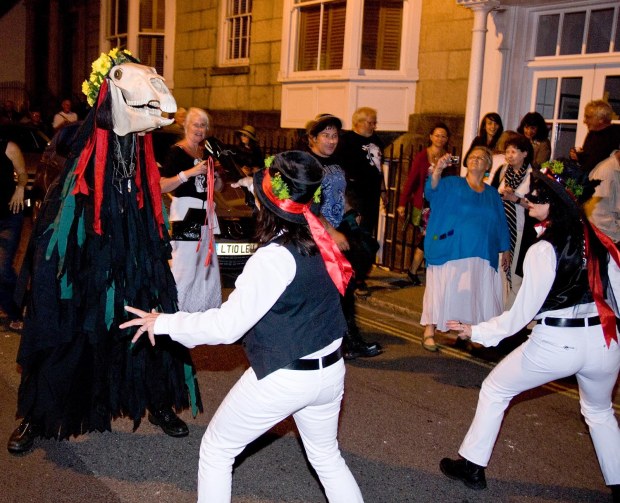 Cassandra imbued a confidence and connection with the ‘Oss during her seventeen years of Teazing, something that would also develop within me after years of experience. One’s reflexes need to be quick due to the unpredictable behaviour of the ‘Oss and the crowd.


 I now have an apprentice Teazer and new ‘Oss riders. All are doing extremely well and Boekka is going from strength to strength.
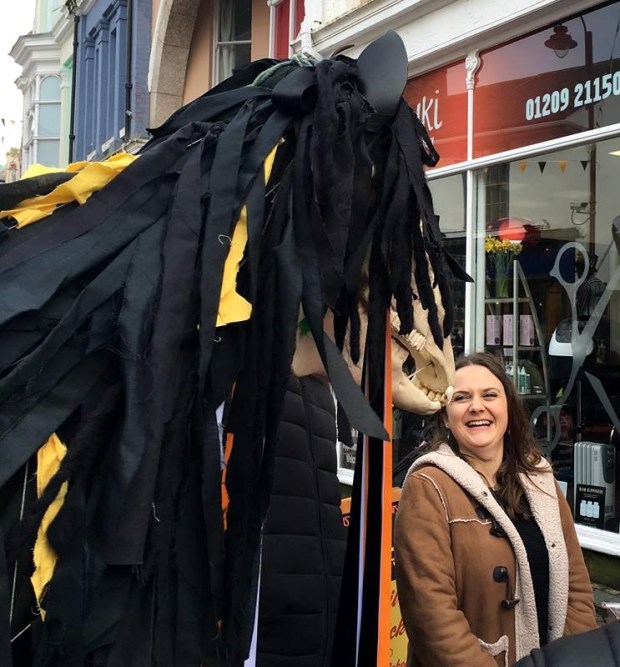
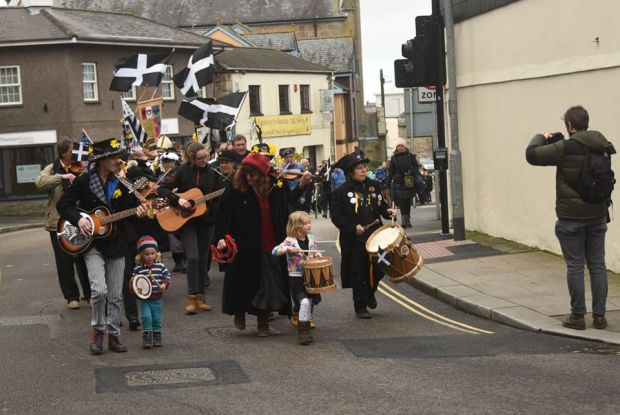
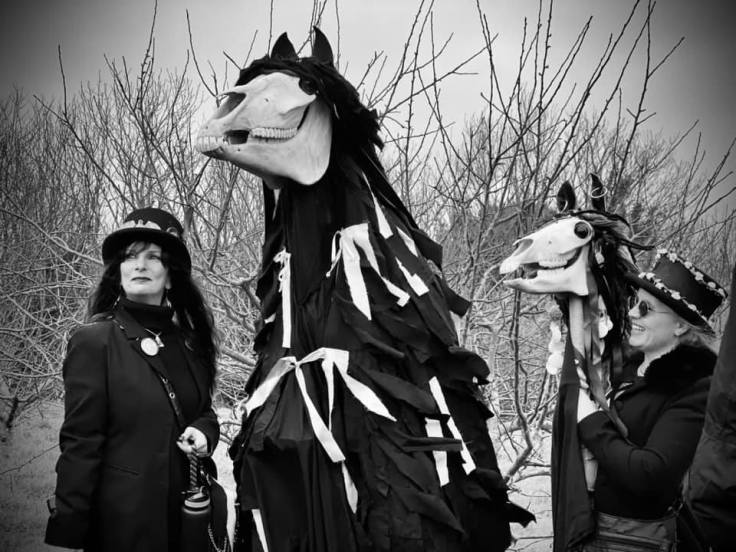 This year will be our 14th year of performance (as our team first formed while our ‘Oss was still Penglaz during 2010). I also own and occasionally ride my foal ‘Obby ‘Oss by the name of
  It has certainly been an eventful but rewarding journey!






 Museum of Witchcraft 1998


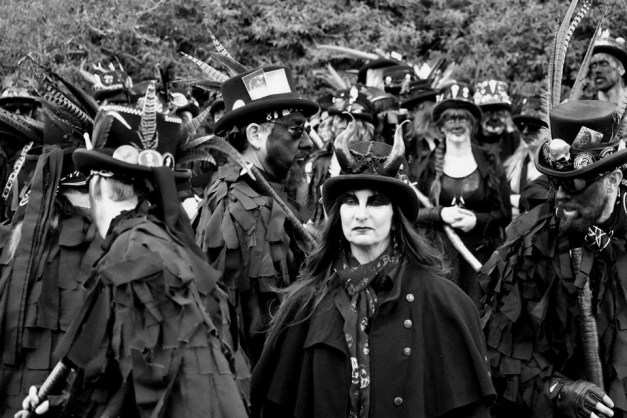 Image-Chris Hicks
 I had no time to practice, so they performed the dance first and invited me to join them for a repeat performance. As soon it began, the fifteen years I had been apart from them seemed to disappear. I danced every move as precisely as I had all those years ago because I had received good training from the Vixen Foreman at that time.


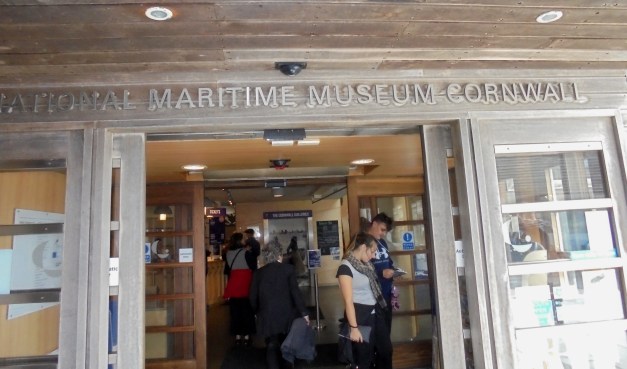
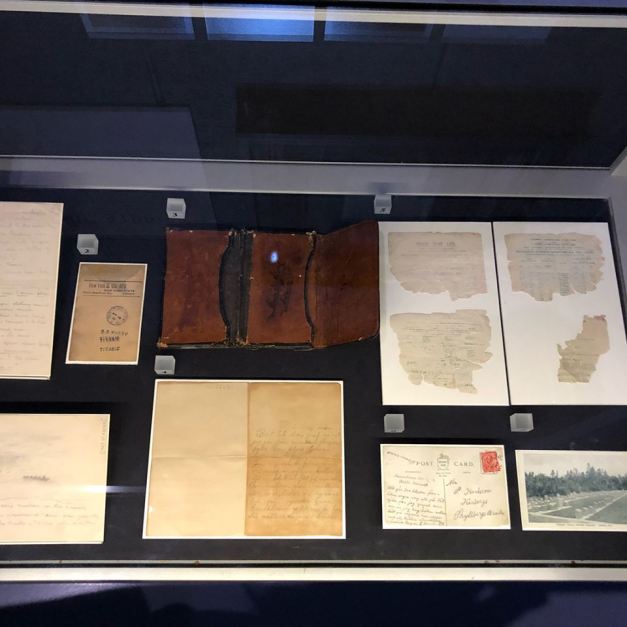
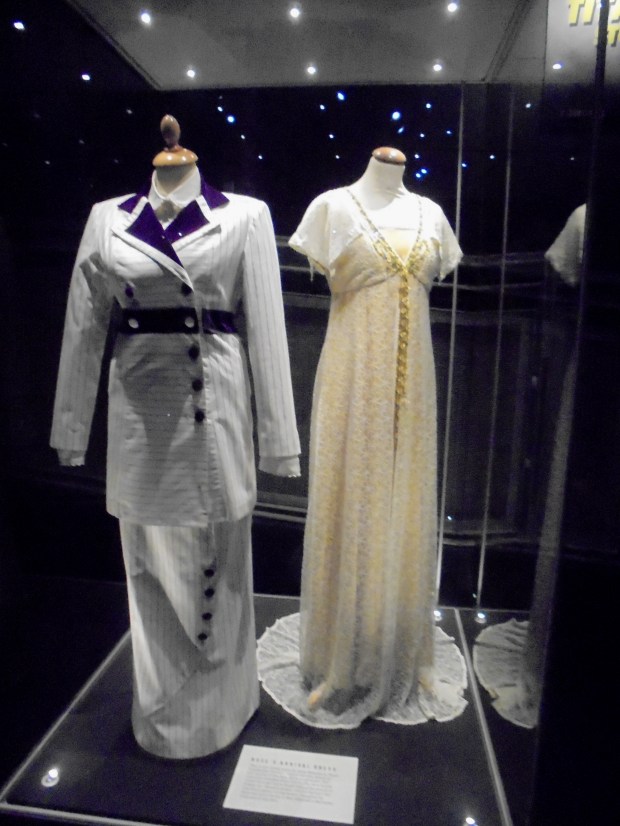
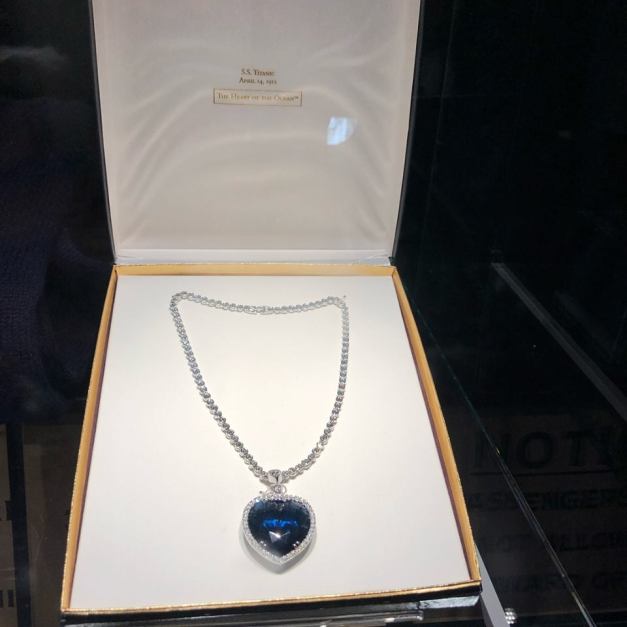
 I have always felt a strong connection to the history of the Titanic and was unaware of its significant connection with Cornwall. When I visited the Titanic Exhibition at the Falmouth National Maritime Museum on 29th July this year I discovered more information.
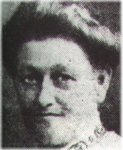 .Mrs William Rowe Hocking was born as Eliza in Tresco in the Scilly Isles off Cornwall, England on 12 April 1858. She first appears on the 1861 census living at Bay on Tresco but the family later settled on the British mainland and appear on the 1871 census at an unspecified address in Penzance, Cornwall. She was married in Penzance in 1880 to William Rowe Hocking (b. 1854), a confectioner’s foreman, and the freshly married couple appear on the 1881 census living at 27 Leskinnick Terrace, Madron, Penzance. Her daughters and two grandsons were rescued in lifeboat 4. Her son George was lost.
 Ada Mary West was born 1879, Truro, Cornwall. Ada and her family appear on the 1881 census living at Prospect Place in Truro. Ada West died in St Vincent’s Nursing Home in Plympton, Devon on 20 April 1953 aged 74. One keepsake that remained in her possession for the remainder of her life was the flask that her husband had passed to her the last time she ever saw him.
 Mrs William John Wilkes was born as Ellen Needs in Tresco in the Scilly Isles off Cornwall, England on 13 June 1864. She first appears on the 1871 census living with her family at an unspecified address in Penzance, Cornwall. Also travelling with her, albeit in second class, were her sister Eliza Hocking and her son George and two daughters Ellen and Emily with the latter’s two sons. Ellen was rescued on lifeboat 16. Her sister, nieces and great-nephews were rescued in lifeboat 4.
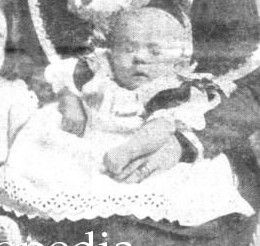 Master Sibley George Richards was born in Newlyn, Cornwall, England on 17 June 1911. He was the second son of James Sibley Richards (1887-1939), a general labourer, and Emily Hocking (1887-1972). His parents were both Cornish and had married in 1908. By 1912 he had one sibling, his elder brother William Rowe (b. 1909). On the night of the sinking Sibley and his brother were asleep in their cabin with their mother when their grandmother came to alert them of the danger. The family escaped in lifeboat 4 but his uncle was among the lost. Arriving in New York, he was met by his father who had travelled from Akron.
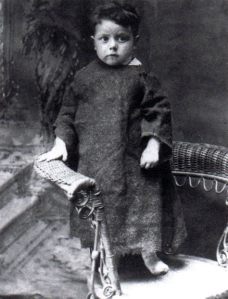 Master William Rowe Richards was born at 6 St Mary’ s Street, Penzance, Cornwall, England on 1 April 1909. He was the eldest son of James Sibley Richards (1887-1939), a general labourer, and Emily Hocking (1887-1972). His parents were both Cornish and had married in 1908. He was named after his maternal grandfather. On the night of the sinking William and his brother were asleep in their cabin with their mother when their grandmother came to alert them of the danger. The family escaped in lifeboat 4 but his uncle was among the lost.
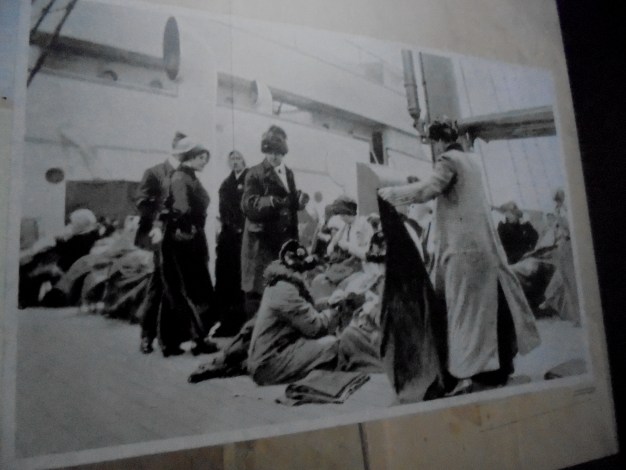
 Mrs Sidney Richards (Emily Hocking) was born in Penzance, Cornwall, England on 22 April 1887. She first appears on the 1891 census living at 39 Adelaide Street, Penzance. Her father is believed to have settled in South where he died and her mother remarried, becoming Mrs William Guy. The family appear on the 1901 census at 34 Mount Street, Penzance. Emily was married in 1908 to James Sibley Richards (b. 9 October 1887), a general labourer from Newlyn, Cornwall. The couple appeared on the 1911 census living at 6 St Mary’s Place, Penzance, a boarding house ran by her mother. The couple would have two sons whilst in England: William Rowe (b. 1909) and Sibley George (b. 1911) and later lived at ‘The Meadow’, Newlyn. Their boat was only a short distance away from the Titanic went it went down. The people in the boat pulled seven men out of the water. The Richards and Hockings hoped that George Hocking had been rescued by another ship, but he was lost. After leaving the Carpathia, the Richards stayed at Blake’s Star Hotel at 57 Clarkson’s Street in New York City and she was reunited with her husband Sibley Richards who had travelled from Akron.
 Frank Thomas Andrew 1 was born as Thomas Francis Gribble in Perranarworthal, Falmouth, Cornwall, England in the closing months of 1885. Frank grew up on his father’s 25 acre farm, Gilly Tresamble, in Perranarworthal and appears there on both the 1891 and 1901 census records. Frank was married on 4 July 1908 at the register office in Helston, Cornwall. His bride was Rhoda Tripp (b. 11 December 1887). Rhoda hailed from Redruth, Cornwall and was the daughter of Henry Tripp, a farmer, and his wife Emily. Frank and Rhoda settled in Illogan, Cornwall and lived at Forest Gate, Four Lanes in that village, appearing there on the 1911 census. At that time they had one daughter, Lucy (b. 30 November 1908). Frank worked as a tin miner. Frank Andrew died in the sinking and his body, if recovered, was never identified.
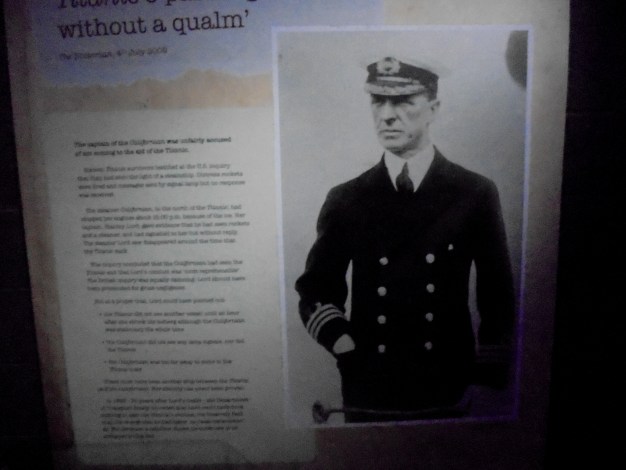
 Robert Hichens 1 was born in St Peter’s Square, Newlyn, Cornwall on 16 September 1882. He was the son of a fisherman, Philip Hichens and Rebecca Hichens (née Wood) who was originally of Whitby, North Yorkshire. By 1906 he was shown on his marriage certificate to be a “master mariner”. He had married Florence Mortimore at the parish church of Manaton, Devon on 23 October in that year. On the night of 14 April 1912 Robert Hichens was at the ship’s wheel (having relieved Q.M. Oliver at 10 p.m.) when the warning came from the lookout that an iceberg had been spotted ahead of the ship. When the order came to hard a’starboard he immediately swung the wheel as far as it would go. At about 12.23 he was relieved by QM Perkis at around which time one of the officers shouted ‘That will do with the wheel, get the boats out.’ Later, Second Officer Lightoller told Lookout Fred Fleet to get into Lifeboat 6 on the port side and put Robert Hichens in charge of that boat. The lifeboat (capacity 65) left the ship at about 12.55 with only 28 persons on board with the order that they were to make for the lights that could be seen in the distance.
 Mr Richard George Hocking, 22, was born 26 July, 1889 at 39 Adelaide Street, Penzance Cornwall, the youngest son of Mr William Hocking (Confectioner and Baker) and Mrs Eliza Hocking (née Neads). After the death of his father in South Africa the family moved to 6 St Mary’s Street, Penzance.
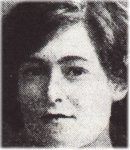 Miss Ellen “Nellie” Hocking was born in Penzance, Cornwall, England on 5 November 1891. She was the daughter of William Rowe Hocking (b. 1854), a baker and confectioner, and Eliza Needs (b. 1858). Her father hailed from Cornwall whilst her mother was born in Tresco on the Isles of Scilly and they were married in 1880. When Nellie appears on the 1901 census she is 34 Mount Street, Penzance. Her mother was on her second marriage by this time–the ultimate whereabouts of her father being unknown–to a Mr William Guy. Mr Guy died in 1907 and the family later show up on the 1911 census living at 6 St Mary’s Place, Penzance where her mother ran a boarding house. She remarked at one time to Nora Keane that as night had fallen the previous night she had heard a cock crowing (a sign in Cornish folklore of impending disaster). Nellie was told that she had imagined it but she was adamant. Nellie, her mother, sister and nephews were rescued in lifeboat 4. Her brother George was lost.
 Mr Joseph Charles Fillbrook was born in Truro, Cornwall, England in early 1894. He was the son of William Fillbrook (b. 1868), a mason, and Catherine Vincent (b. 1866). His father was native to Truro whilst his mother was Canadian-born. Joseph first appears on the 1901 census living at the home of his maternal grandparents Edward and Mary Jane Fillbrook at 10 Victoria Square, Kenwyn, Cornwall and again on the 1911 census with his now widowed grandmother at Williams Row, Calenick Street, Kenwyn; he was described as a house painter by the time of the latter record and had been apprenticed as such since leaving school. His parents and siblings are listed on the 1901 census living at 8 Lemon Row and on the 1911 census at 16 Charles Street, Truro. Joseph Charles Fillbrook was lost in the sinking and his body, if recovered, was never identified.
 Mr Joseph Charles Nicholls was born in Nancledra, Cornwall, England on 24 July 1892. He was the son of Richard Henry Nicholls (b. 1867) and Agnes Friggens (b. 1861), both Cornwall natives who had married in 1886 and he had two known siblings: Mary Ethel (b. 1886), Richard Henry (b. 1890). His father was a stonemason who worked at the quarry at Trenowith Downs.